
Mold in a home is more than a cosmetic problem. It can affect your health, damage property, and even reduce your home’s value over time. Many people do not notice mold until it has already spread. Paying attention to early warning signs can save money and prevent serious issues. In this post, we explain what mold remediation is, how mold grows, and the key signs your home needs help.
Why Mold Remediation Matters?
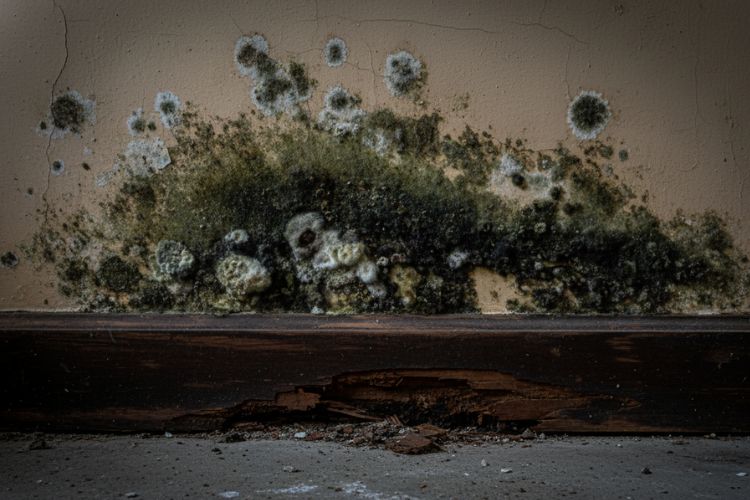
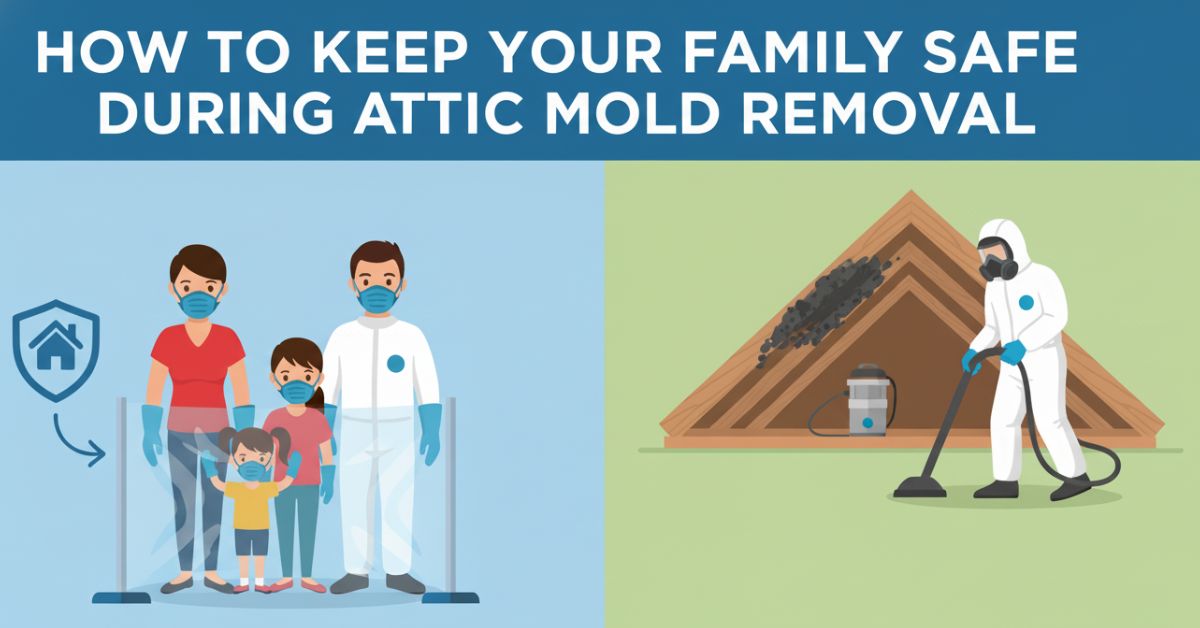
Mold remediation is the process of removing mold safely and making sure it does not return. It is more than cleaning surfaces. Mold can hide in walls, floors, or ceilings for months, quietly growing and spreading spores. Proper remediation protects both your home and your health. Ignoring mold can lead to bigger problems, including costly repairs and exposure to allergens.
Mold remediation also reduces the risk of long-term damage. Wood and drywall weaken when mold is left untreated. Even furniture and personal items can be affected. Acting early keeps repairs simple and prevents mold from returning in the future. A professional assessment can show the full extent of the problem and the steps needed to fix it.
How Mold Develops in Homes?
Mold grows where moisture is present. Leaks, condensation, and high humidity create ideal conditions. Bathrooms, kitchens, basements, and attics are common spots because they often have poor ventilation or hidden damp areas. Even minor leaks behind walls or under floors can lead to mold over time. Mold spores are everywhere, but they only grow when moisture is present.
Homes in damp climates or with poor air circulation are at higher risk. Simple changes like using dehumidifiers, repairing leaks, or improving ventilation can reduce the chance of mold developing. Understanding how mold grows helps homeowners take preventive action before it becomes a serious problem.
The Importance of Early Detection
Early detection is key to preventing mold from spreading. Hidden mold can reduce indoor air quality and trigger allergy-like symptoms. Small patches can spread quickly if ignored. Paying attention to early signs allows you to act before walls, furniture, or floors are damaged.
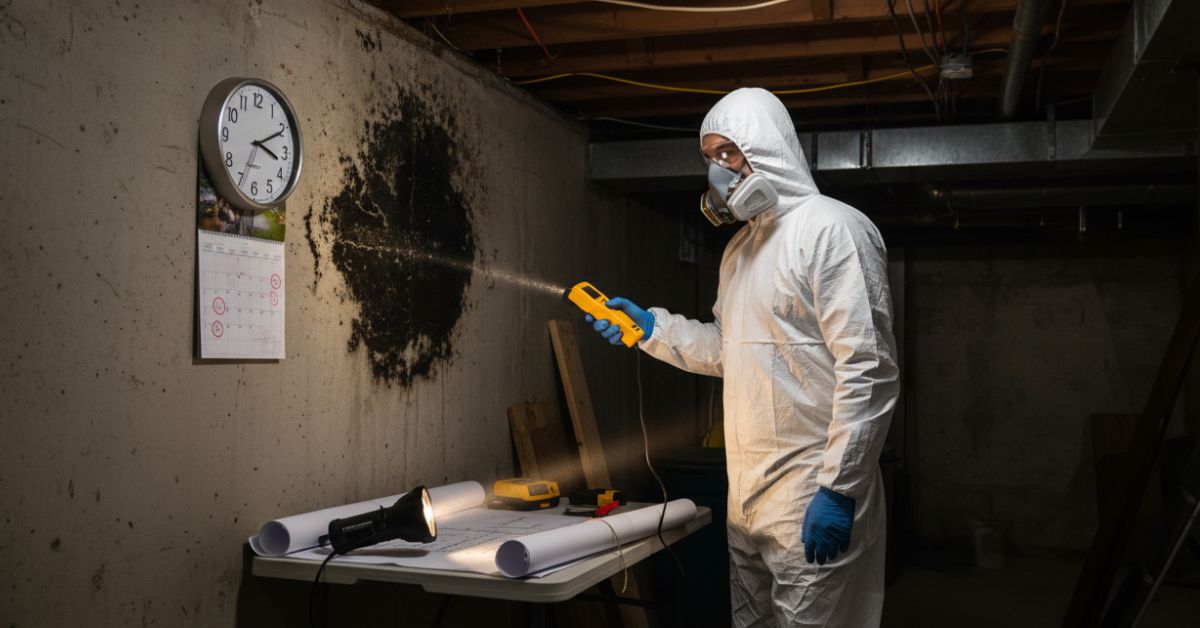
Professional mold inspection can locate mold that is hidden from view. Inspectors use tools to reveal damp areas, spores, and the source of water intrusion. Catching mold early saves money and ensures your home stays safe.
7 Signs Your Home Needs Mold Remediation
Here are seven signs that your home may need mold remediation. These warnings help you decide whether to investigate further or call a professional.
1. Persistent Musty Odor
A musty smell that does not go away is a strong indication of mold. It may come from behind walls, under carpets, or inside cabinets. Even if you cannot see the mold, the odor shows it is present. Acting quickly can prevent serious problems. Scheduling a mold inspection can help locate hidden mold before it spreads further.
2. Visible Mold Growth
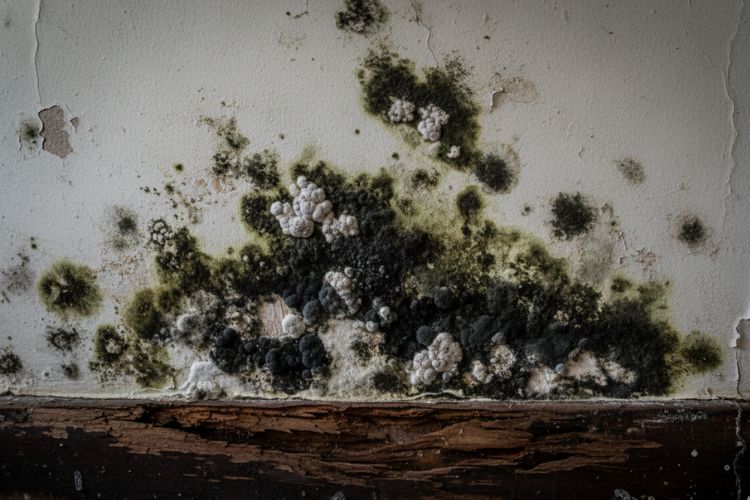
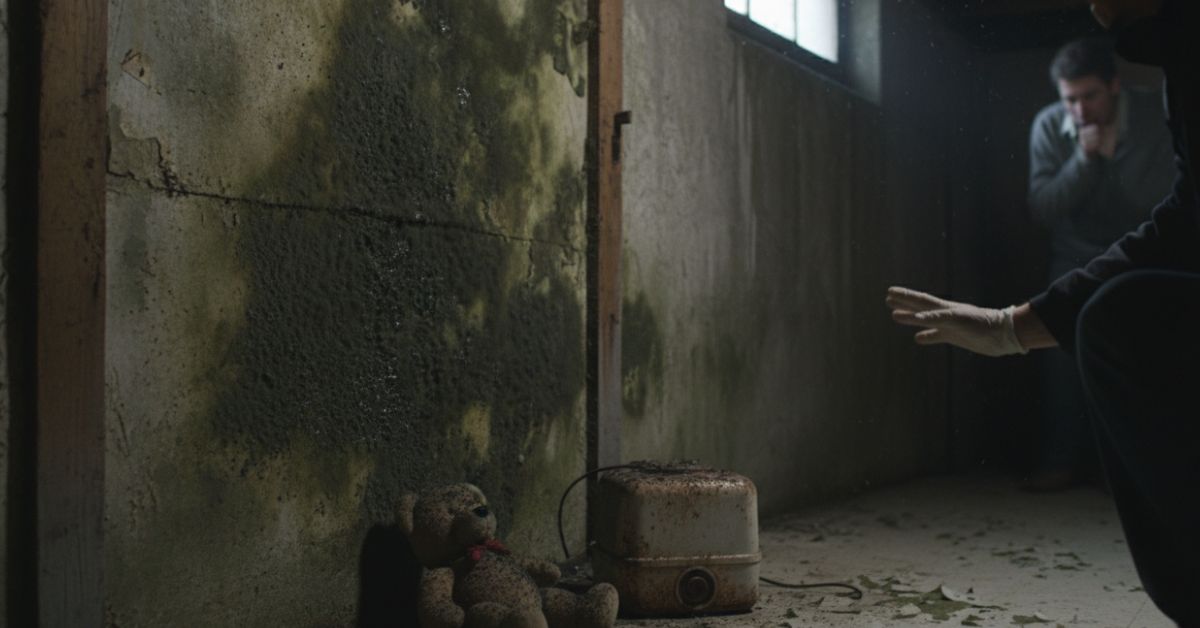
Visible mold on walls, ceilings, or floors is an obvious home mold warning. It can appear black, green, or white and often grows where moisture collects. Cleaning small patches yourself without fixing the underlying problem does not stop mold from returning. Professional mold removal ensures the problem is addressed safely and thoroughly.
3. Health Symptoms from Mold Exposure
Frequent sneezing, coughing, itchy eyes, or skin irritation can indicate mold exposure. Mold affects indoor air quality and can irritate the respiratory system. Individuals with allergies, the elderly, and children are particularly at risk. Checking your home for mold is a good idea if these symptoms are persistent and cannot be attributed to any other cause. Serious issues are avoided and your health is protected when you act early.
4. Warped or Stained Surfaces
Warped floors, soft walls, or discolored surfaces are warning signs of hidden mold. Moisture behind surfaces weakens materials and encourages mold growth. Ignoring these changes allows mold to spread, making remediation more difficult and expensive. Addressing warping and stains promptly can prevent further damage and maintain a safer living environment.
5. Signs of Water Damage and Leaks
Water stains on ceilings, walls, or floors are a clear sign of mold risk. Leaks under sinks, around windows, or in basements create damp areas that encourage mold growth. Even slow leaks over time can cause significant mold issues. Fixing leaks quickly is essential. A professional mold remediation service can confirm whether mold is present.
6. High Humidity or Condensation
If you notice condensation on windows, damp carpets, or rooms that always feel humid, it could be a sign mold is ready to grow. Mold thrives in warm, moist areas, so keeping indoor humidity below 60 percent is important. Using dehumidifiers, improving ventilation, or running air conditioning helps. Homes with constant moisture should get a professional mold inspection to catch any hidden mold early.
7. Previous Mold Problems or Renovations
If your home has had mold before, or if there’s been flooding, plumbing work, or renovations, you might be at higher risk. Old mold can come back if it wasn’t fully removed, and construction can disturb hidden spores. It’s smart to get a professional mold inspection after any water-related repairs. Catching issues early keeps mold from spreading and saves you from bigger headaches later.
When to Call a Professional Mold Remediation Service?
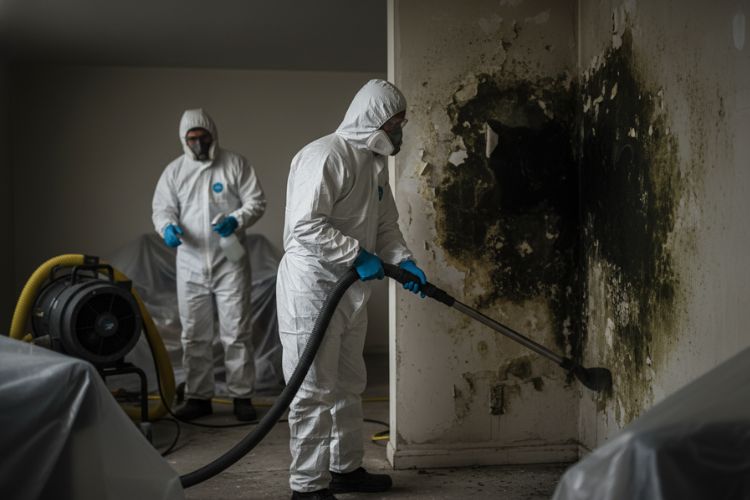
If you notice multiple signs of mold, it is time to call for help. Professional mold remediation addresses the problem completely and safely. Experts inspect, test, and remove mold while taking precautions to prevent it from returning. Residents in Oklahoma may consider mold removal Tulsa for reliable service. Professional remediation ensures your home is fully treated and your family is protected.
Preventive Measures After Mold Remediation
Controlling moisture is the most important step after remediation. Increase ventilation, use dehumidifiers, and fix leaks as soon as possible. Check for damp areas in the attics, basements, and bathrooms on a regular basis. Keep indoor humidity low and clean areas that are prone to moisture. Small daily habits can prevent mold from coming back and help your home stay safe and healthy long term.
Key Takeaways
Mold can quietly damage your home and affect your health if left unchecked. Paying attention to warning signs like musty odors, visible mold, water damage, or allergy symptoms helps catch problems early. Early action, professional mold remediation, and regular inspections keep your home safe. For reliable help, FreshStart Mold Removal can guide you through inspection and removal, restoring your home to a healthy, mold-free environment.
FAQs
1. How long does mold remediation take?
It depends on the size of the affected area. Small areas may take a day, while larger infestations can take several days.
2. How can I prevent mold in the future?
Keep humidity low, fix leaks promptly, ventilate damp areas, and inspect for early signs of mold regularly.
3. Can I remove mold myself?
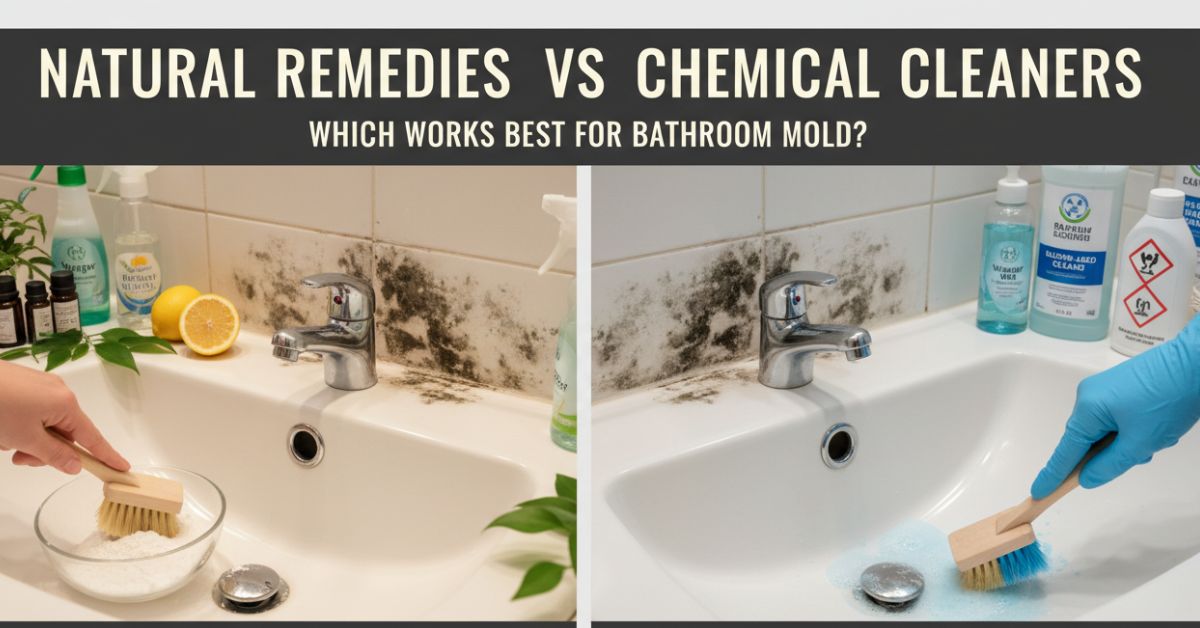
Small surface mold can sometimes be cleaned, but hidden or widespread mold should be handled by professionals.