Mold growth in the attic is more common than many homeowners realize. Poor ventilation, roof leaks, and trapped moisture often create the perfect environment for mold to grow above living spaces. While the problem may seem limited to the attic, the impact can easily spread throughout the home.
During attic mold removal, thousands of microscopic spores can become airborne. Without proper precautions, these spores may circulate through vents and air pathways, affecting indoor air quality and exposing family members to potential health risks. This is why safety should always be the first priority when removing mold in attic spaces.
Understanding how mold spreads, preparing your home properly, and working with professionals when necessary can make the entire process safer and more effective.
Why Attic Mold Removal Requires Safety Precautions?
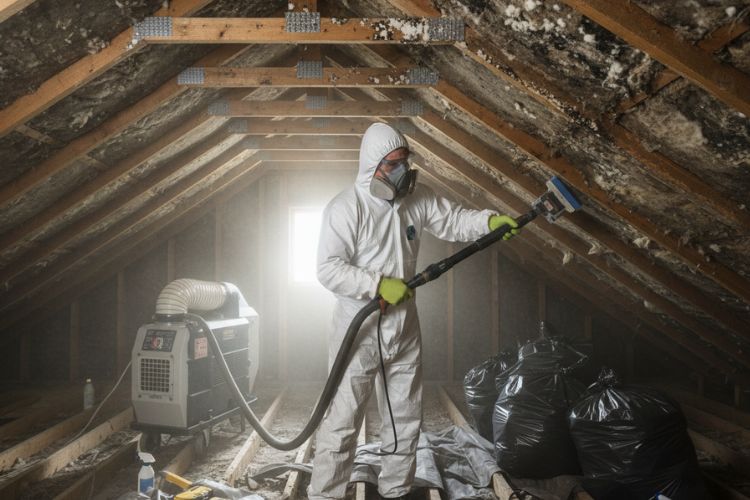
Mold releases spores as it grows, but the real risk often appears when the material is disturbed. Activities such as scraping, cleaning, or replacing contaminated materials can release large amounts of spores into the air.
During attic mold removal, these spores can travel through ventilation systems or small gaps in ceilings and walls. Once airborne, they may reach bedrooms, living areas, and other parts of the home.
Exposure to mold spores can cause irritation, allergic reactions, and breathing discomfort for some people. Individuals with asthma, weakened immune systems, or existing respiratory issues may be especially sensitive. For families with young children or elderly members, careful planning during attic mold removal becomes even more important.
Signs You May Have Mold in the Attic
Attic mold often develops quietly, and many homeowners do not notice the problem until it becomes significant. However, several warning signs can indicate mold growth above your living space. A persistent musty smell inside the house can sometimes originate from the attic. Dark spots or discoloration on wooden rafters, sheathing, or insulation may also indicate mold growth. Past roof leaks or condensation problems can further increase the likelihood of mold forming in the attic.
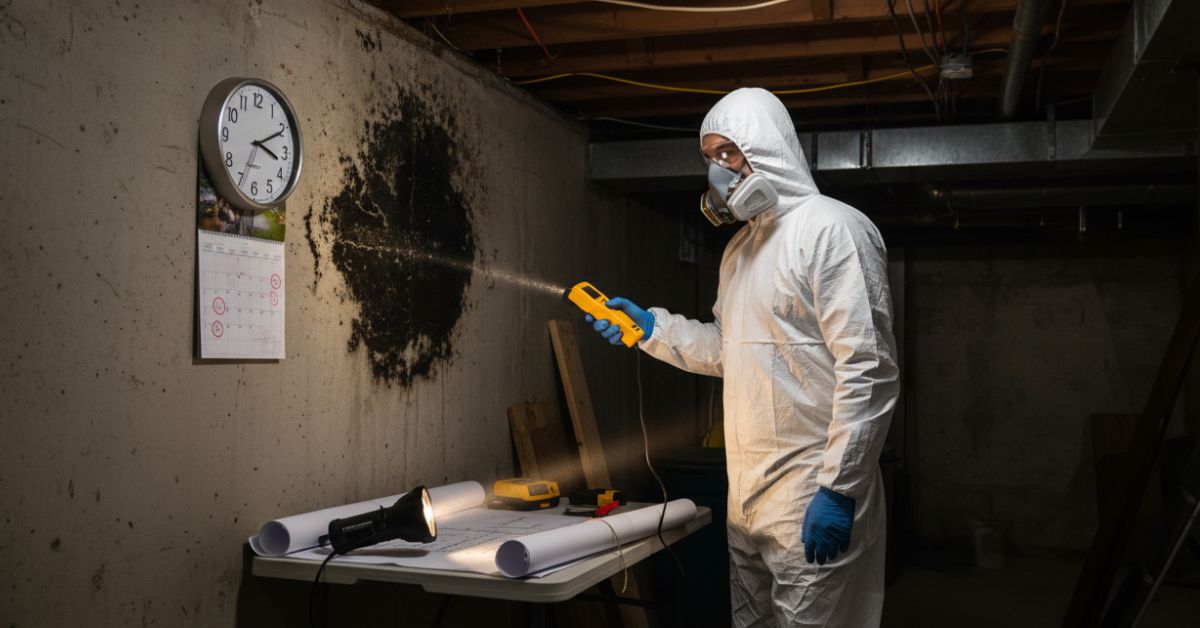
If any of these signs appear, it may be time to investigate the attic more closely. Early detection makes attic mold removal easier and reduces the chance of spores spreading throughout the home. To confirm whether mold is present, some homeowners rely on professional inspections and testing services before beginning the cleanup process.
Preparing Your Home Before Mold Removal Begins
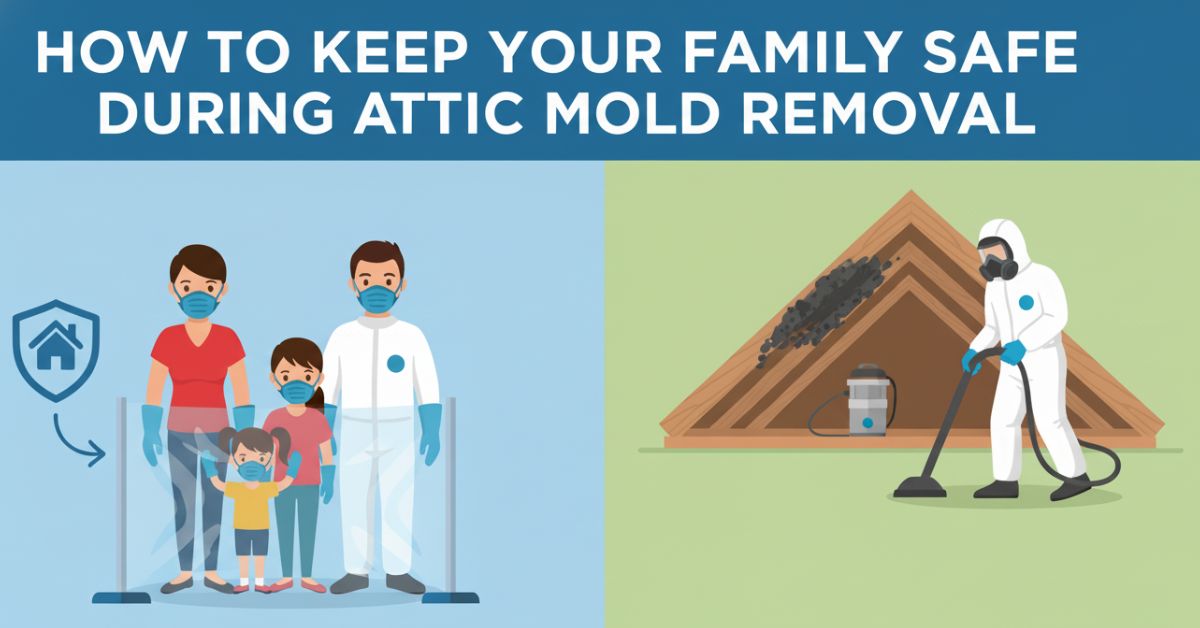
Proper preparation can significantly reduce the risk of mold spores spreading when removing mold in attic areas. Before the cleanup begins, homeowners should take a few practical steps to protect their living spaces and limit exposure to airborne spores.
- Move or cover stored items in the attic to prevent contamination. Boxes, clothing, and decorations can easily trap mold spores during cleanup.
- Seal access points around attic entrances, including attic doors and nearby vents, to stop spores from spreading into other rooms.
- Block or cover airflow paths connected to the attic to reduce the chance of spores entering the home’s ventilation system.
- Consider staying away from the house during attic mold removal, especially if family members have allergies, asthma, or respiratory sensitivities.
Safety Steps to Follow During the Removal Process
Once the work begins, several protective steps help reduce the spread of mold spores.
Restricting Access to the Work Area
The attic should remain isolated while attic mold removal is in progress. Limiting access ensures that mold spores remain contained within the work area. Family members and pets should avoid entering the attic until the cleanup is completed.
Using Protective Equipment and Proper Containment
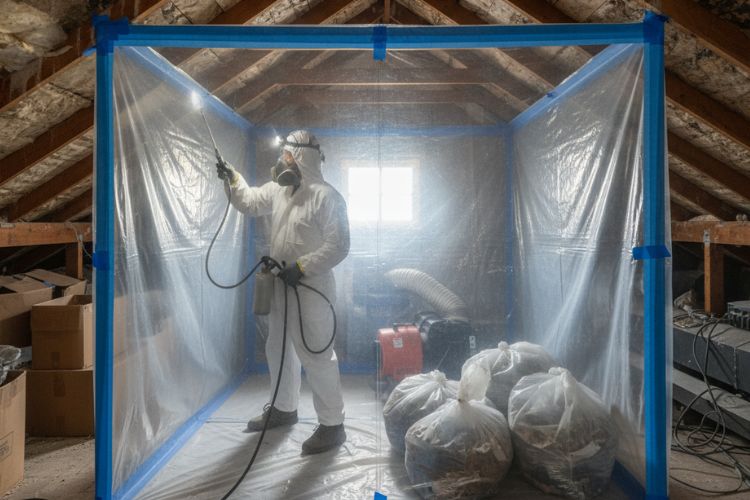
Professional teams typically use containment barriers, air filtration systems, and protective gear while performing attic mold procedures. These measures help prevent mold spores from spreading into other parts of the house.
Containment systems may include plastic barriers and negative air machines that control airflow. These tools play an important role in safe attic mold removal.
Maintaining Good Ventilation
Ventilation helps control moisture and airborne particles during the cleanup process. Proper airflow can reduce the concentration of mold spores while removing mold in attic structures.
However, ventilation should be managed carefully to prevent spores from being pushed into the rest of the home. Professionals usually control airflow direction using specialized equipment.
Protecting Children, Elderly Family Members, and Pets
Certain individuals are more vulnerable to mold exposure than others. Young children, elderly adults, and people with respiratory conditions may experience stronger reactions to mold spores.
During attic mold work, it is often safer for these family members to stay away from the home until the cleanup process is finished. Pets should also be kept away from the work area, as mold spores can settle on their fur and spread throughout the house.
Creating a temporary safe environment helps ensure that attic mold removal does not unintentionally affect the health of your household.
Why Professional Mold Removal Is Often the Safest Option?
While some homeowners attempt DIY cleanup, large or widespread mold problems often require professional assistance. Mold specialists understand how to remove attic mold safely without allowing spores to spread throughout the home. During attic mold removal, trained technicians use specialized equipment, protective gear, and containment systems to control airborne particles and protect indoor air quality. They also inspect the attic carefully to identify moisture sources such as roof leaks, poor ventilation, or condensation that may have caused the mold growth in the first place.
Working with attic mold removal experts helps ensure the problem is handled thoroughly and safely. Many homeowners rely on the best attic mold removal service to make sure the cleanup is completed properly and the attic environment is improved. In addition to cleaning visible contamination, attic mold removal experts also recommend solutions that reduce moisture and prevent mold from returning in the future.
What to Do After the Mold Removal Is Completed?
Once attic mold removal is finished, homeowners should take several steps to restore a clean and healthy environment inside the house.
Cleaning and Improving Indoor Air Quality
Air purification and surface cleaning help remove any remaining particles after removing attic mold procedures. High-efficiency air filters or air purifiers may help improve indoor air quality during this stage.
Dusting and vacuuming nearby areas can also remove spores that may have settled during the cleanup process.
Checking That the Attic Is Fully Dry and Mold-Free
Moisture control is critical after attic mold removal. The attic should remain dry and well-ventilated to prevent mold from returning. Inspecting insulation, wood structures, and ventilation pathways can confirm that the cleanup was successful.
Preventing Mold From Returning
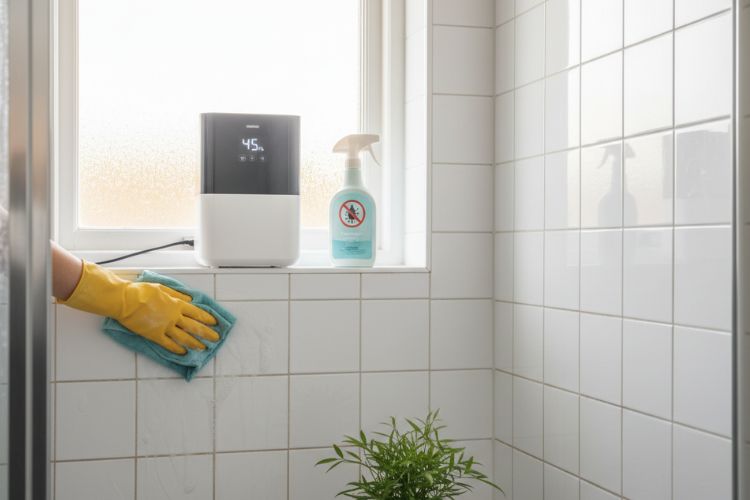
Preventing mold growth is just as important as removing it. Once attic mold removal is completed, homeowners should focus on controlling moisture and improving airflow to stop mold from developing again. Understanding how to prevent mold in attic spaces helps protect the home’s structure and keeps indoor air healthier.
- Improve attic ventilation so moisture does not get trapped inside the space. Proper airflow is one of the most effective ways to control humidity.
- Fix roof leaks quickly and seal gaps in insulation that may allow moisture to build up in the attic.
- Schedule regular attic inspections to catch small moisture problems before they grow into larger mold issues.
- Maintain balanced humidity levels to reduce the chances of needing to remove attic mold again.
Conclusion
Attic mold can affect more than just the space above your ceiling. During attic mold removal, disturbed spores can travel through the home and potentially affect indoor air quality. Taking the right precautions helps protect family members while the cleanup process is underway.
Preparing the home, limiting exposure, and working with trained professionals can make removing mold in attic areas safer and more effective. Understanding how to remove attic mold properly also helps prevent unnecessary exposure and structural damage.
With careful planning and the right approach, homeowners can address mold problems while keeping their families safe and their homes healthy.
If you are concerned about mold affecting your home’s air quality, working with experienced professionals can make a big difference. Fresh Start Mold Removal and Inspection serves homeowners in Tulsa and Oklahoma City with reliable inspection, testing, and remediation services designed to eliminate mold at its source.