Mold can grow silently inside walls, ceilings, basements, and ventilation systems whenever moisture is present. Because mold spreads quickly and can damage building materials, many homeowners schedule inspections when they notice musty odors, water stains, or recent leaks.
One of the first questions people ask before booking an inspection is how long the process will take. Understanding the typical timeline helps homeowners plan repairs, real estate transactions, or renovations.
In most cases, a professional mold inspection takes between one and three hours. However, the exact duration depends on factors such as the size of the property, accessibility of certain areas, and whether testing is required. To understand the timeline better, it helps to look at the inspection process and what inspectors evaluate during the visit.
How Long Does a Typical Mold Inspection Take?
The average mold inspection for a residential property usually takes one to three hours. Smaller apartments or condos can sometimes be inspected in about an hour, while larger homes with multiple floors may require additional time.
The timeline also depends on the mold inspection process and how detailed the inspection needs to be. If the inspector only performs a visual assessment and moisture check, the inspection may be completed quickly. However, when inspectors identify suspicious areas or signs of hidden moisture, they may perform additional testing.
Sampling and documentation can extend the appointment because each test must be collected carefully and recorded. Although the inspection itself may be completed in a few hours, lab testing for mold samples typically takes 24 to 72 hours before the final report is issued.
What Happens During a Mold Inspection?
Many homeowners wonder how mold inspection is done and what inspectors actually look for during their visit. While every property is different, most inspections follow a structured approach designed to locate moisture sources and signs of contamination.
Initial Walkthrough and Property Discussion
The inspection usually begins with a conversation between the homeowner and the inspector. During this stage, the inspector asks about past water damage, plumbing leaks, roof issues, or flooding.
This information helps guide the inspection because moisture problems often indicate where mold might be developing. The inspector may also ask about musty odors or areas where residents have noticed discoloration on walls or ceilings.
Visual Inspection of Key Areas
After the initial conversation, the inspector begins a careful walkthrough of the property. Spaces that commonly collect moisture, such as bathrooms, kitchens, basements, crawl spaces, and attics, are checked closely because these areas create ideal conditions for mold growth.
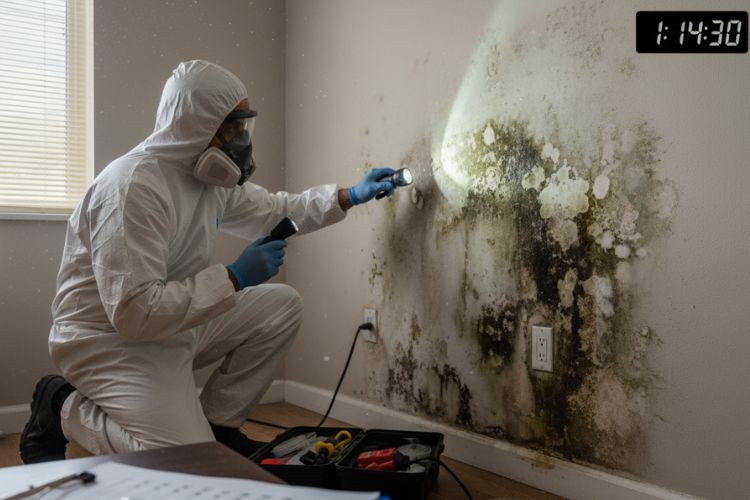
During this stage, the inspector looks for signs like water marks, flaking or bubbling paint, damaged drywall, and any visible patches of mold. These indicators help determine whether additional testing may be needed and provide a better understanding of the home’s overall moisture condition.
Moisture Detection and Environmental Checks
Visual inspection alone cannot reveal hidden mold behind walls or beneath flooring. That is why inspectors use specialized tools to detect moisture inside building materials.
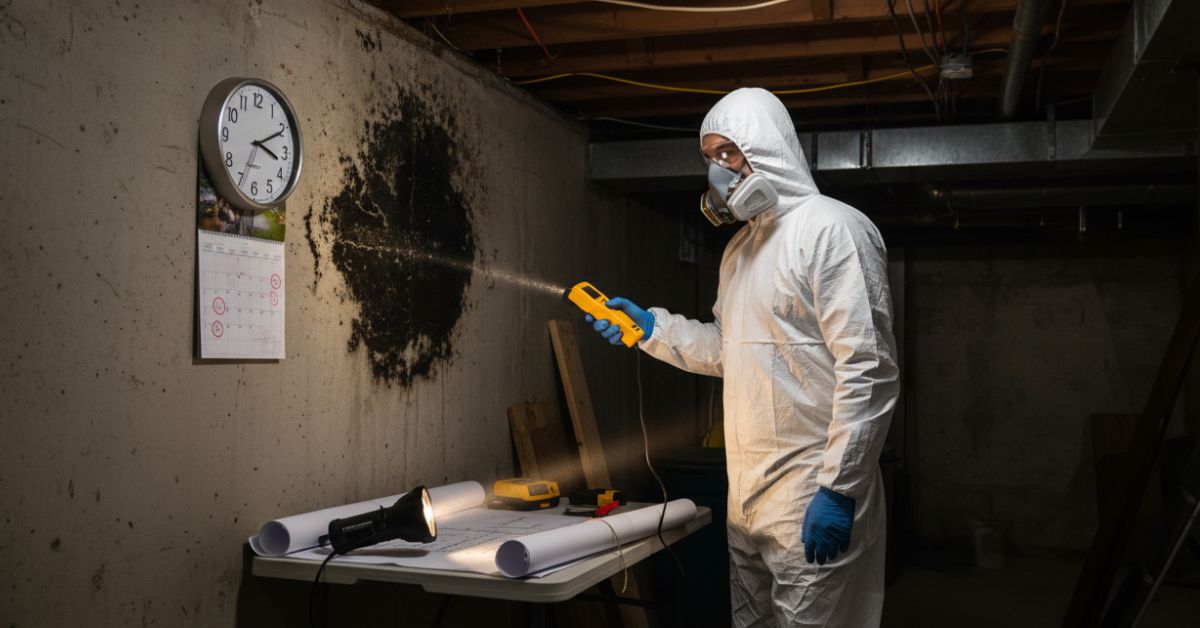
Moisture meters measure dampness within drywall or wood, while thermal imaging cameras identify temperature differences that may indicate trapped moisture. Hygrometers may also be used to measure indoor humidity levels. Understanding how a mold inspection works is important because moisture detection often reveals mold problems that are not immediately visible.
Air and Surface Sampling
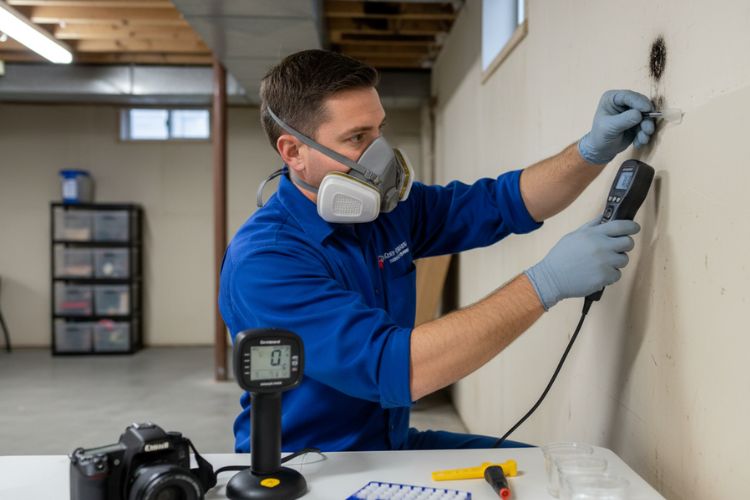
When inspectors suspect hidden mold, they may collect air or surface samples. Air samples measure the concentration of mold spores circulating in the indoor environment, while surface samples identify mold growing on walls or building materials.
These samples are carefully labeled and sent to a laboratory for analysis. Sampling is a common part of mold inspection and testing, especially when the goal is to determine the type and concentration of mold present.
Documentation and Inspection Report
Once the inspection is complete, the inspector records observations, photographs, and moisture readings. This documentation becomes part of a detailed report that outlines the findings.
The report may include areas where mold was detected, potential sources of moisture, and recommended next steps. Homeowners often use this report to determine whether repairs or remediation are required. In many cases, the inspection report also confirms whether certified mold inspections are necessary for insurance claims, real estate transactions, or property evaluations.
Factors That Influence How Long a Mold Inspection Takes
While most inspections are completed within a few hours, the exact timeline can vary depending on several conditions inside the property. Certain characteristics of a home can make the inspection quicker, while others may require the inspector to spend additional time examining specific areas.
Property Size and Layout
One of the most significant factors affecting inspection time is the size of the property. Larger homes have more rooms, walls, and structural components that must be examined.
Multi-story houses or properties with basements and crawl spaces typically require additional time because inspectors must carefully evaluate each level of the building.
Accessibility of Inspection Areas
Accessibility can also influence how long the inspection takes. Cluttered storage rooms, sealed crawl spaces, or furniture placed tightly against walls can slow down the process.
Inspectors need clear access to check for moisture around plumbing lines, ventilation systems, and structural materials. When these areas are difficult to reach, the inspection may take longer.
Number of Samples Collected
Sampling also increases the inspection duration. Each air or surface sample must be carefully collected, documented, and prepared for laboratory testing.
Homes with multiple problem areas may require several samples, which naturally adds time to the inspection.
Age and Condition of the Property
Older buildings sometimes contain hidden moisture problems caused by outdated insulation, aging roofing materials, or structural wear. Inspectors may need extra time to check these areas carefully.
Because older homes often have complex structures, inspectors may also examine attics, crawl spaces, and ventilation systems more thoroughly.
Severity of Moisture or Mold Problems
If visible mold growth or extensive water damage is discovered, inspectors often spend extra time investigating the source of the moisture.
Leaks behind walls, damaged insulation, or poor ventilation may require additional measurements or testing. These investigations help determine whether mold remediation will be necessary to safely remove the contamination.
How Long Does Mold Testing Take After the Inspection?
While the on-site inspection usually takes only a few hours, laboratory testing adds extra time to the overall process. After the inspector collects air or surface samples, they are sent to an accredited laboratory for analysis. Technicians examine these samples under specialized microscopes to identify the type of mold present and measure the concentration of spores in the environment.
Most laboratories provide results within 24 to 72 hours, although complex testing or a larger number of samples may extend the timeline slightly. Once the lab results are available, the inspector prepares a detailed report outlining the findings and recommendations. This step is important because testing confirms the presence of mold and helps determine the severity of contamination.
How to Prepare Your Home for a Mold Inspection?
Preparing the property before the inspection can help the process run smoothly and efficiently.
Clear Access to Key Areas
Ensure that inspectors can access basements, attics, crawl spaces, and utility rooms. Moving furniture or stored items away from walls can help inspectors check for hidden moisture.
Avoid Cleaning Suspected Mold
Homeowners should avoid cleaning or painting over visible mold before the inspection. Disturbing mold can interfere with testing and make it more difficult for inspectors to identify the source.
Turn Off HVAC Systems if Requested
Some inspectors prefer HVAC systems to remain off during air sampling to prevent spores from circulating throughout the home.
Share Property History
Providing information about previous leaks, flooding, or plumbing repairs helps inspectors focus on areas that may be vulnerable to moisture problems.
When Should You Schedule a Mold Inspection?
Mold inspections are recommended in several situations. Homes that have experienced flooding, roof leaks, or plumbing damage should be inspected as soon as possible to prevent hidden mold growth.
Inspections are also common during real estate transactions because buyers want to confirm that the property is free of moisture problems. Persistent musty odors or unexplained allergy symptoms can also indicate hidden mold and should prompt an inspection.
Early detection helps homeowners address moisture problems before mold spreads and causes more extensive damage.
Conclusion
Most residential mold inspections take between one and three hours, although the exact duration depends on the size of the property, accessibility of inspection areas, and whether testing is required.
Understanding what a mold inspection is and the steps involved helps homeowners prepare for the process and know what to expect. A professional inspection identifies moisture problems, confirms the presence of mold, and provides guidance on the next steps.
By scheduling inspections promptly when moisture issues appear, homeowners can protect their property and indoor air quality while preventing costly repairs in the future.