Mold often appears in bathrooms where moisture and humidity remain trapped after showers. Dark spots along grout lines, ceilings, or around sinks are usually early signs of bathroom mold developing in damp areas. Because bathrooms experience constant water exposure, mold growth can happen quickly if ventilation and moisture control are not properly managed.
When homeowners notice bathroom mold, they usually try to remove it immediately. Some prefer natural mold remedies such as vinegar or baking soda because they are safer and commonly available. Others rely on chemical mold cleaners to remove mold faster and more aggressively. Understanding the differences between these approaches helps determine which method works best for effective mold treatment.
Why Bathroom Mold Develops So Easily?
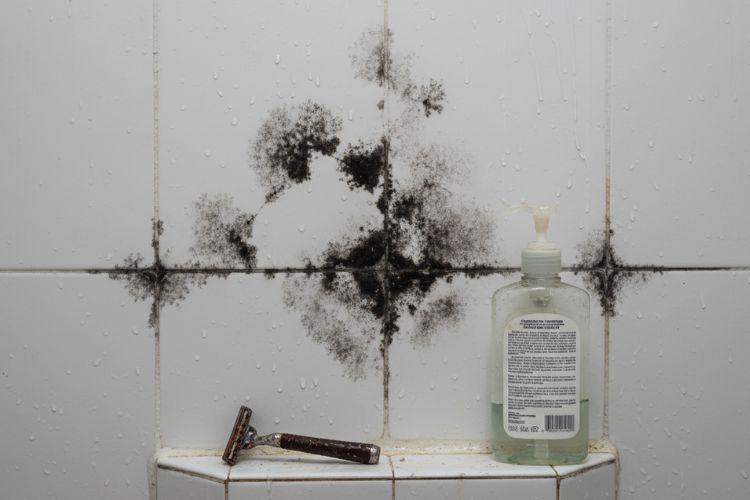
Bathrooms naturally create conditions that allow mold to grow quickly. Warm temperatures combined with constant moisture from showers and running water leave many surfaces damp for long periods. When humidity builds up and airflow is limited, the space becomes an ideal environment for bathroom mold to appear on tiles, grout lines, ceilings, and other wet areas.
The problem often becomes worse when ventilation is poor. Without proper air circulation, moisture stays trapped on walls, corners, and silicone seals around sinks or bathtubs. Over time, this lingering dampness allows mold spores to settle and spread across surfaces. Reducing humidity and improving airflow are important steps for effective mold prevention in bathrooms.
Common Areas Where Bathroom Mold Appears
Some areas in the bathroom are more likely to develop mold than others. These spots usually stay damp after showers or daily use.
- Shower grout and tile corners
- Bathroom ceilings above the shower
- Silicone seals around bathtubs
- Shower curtains and bathroom walls
Natural Mold Remedies for Bathroom Mold
Many homeowners prefer using natural mold remedies because they are safer and inexpensive. These solutions can help remove light patches of bathroom mold and are often used for routine cleaning and early mold treatment.
Natural cleaning solutions work best when mold is discovered early. These expensive surface stains and reduce moisture buildup, but they may not eliminate mold that has penetrated deep into porous materials like drywall or grout.
Vinegar
White vinegar is commonly used as one of the most effective natural mold remedies. It has mild antifungal properties that can help slow mold growth on bathroom surfaces. Spraying vinegar directly onto mold spots and allowing it to sit before scrubbing can help remove visible mold stains.
Baking Soda
Baking soda is a mild cleaning ingredient that works well for scrubbing grout and tile surfaces in the bathroom. It helps lift stains while also absorbing excess moisture that can encourage mold growth. When mixed with a little water, baking soda forms a simple paste that can be applied to affected areas to clean surfaces and reduce unpleasant odors.
Hydrogen Peroxide
Hydrogen peroxide is another option for removing mold stains and disinfecting surfaces. Its chemical reaction helps break down mold spots and sanitize affected areas. It is commonly used when trying to clean mold in bathroom tiles, grout lines, or corners where moisture accumulates.
Chemical Mold Cleaners for Bathroom
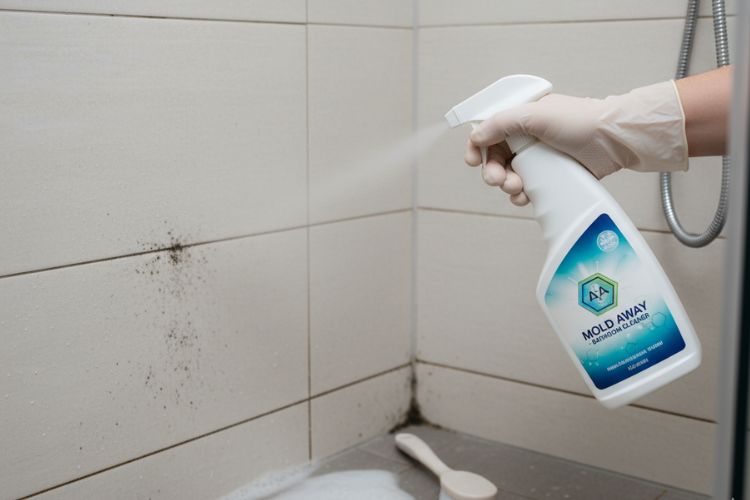
When mold growth becomes more severe, stronger cleaning products may be necessary. Chemical mold cleaners are designed to remove mold stains and eliminate spores more aggressively than natural remedies.
These products are commonly used for larger areas of bathroom mold where surface cleaning methods are not enough. Many commercial products contain disinfecting agents that help break down mold colonies and prevent them from spreading further.
Bleach-Based Cleaners
Bleach is often included in many chemical mold cleaners because it can remove visible stains from grout and tiles. It disinfects surfaces and brightens mold-stained areas, although it may not always penetrate deeply into porous materials.
Commercial Mold Removal Sprays
Commercial cleaning sprays are specifically designed to target mold and mildew. Many of these chemical mold cleaners contain antifungal ingredients that help eliminate mold colonies morev effectively than household cleaning solutions.
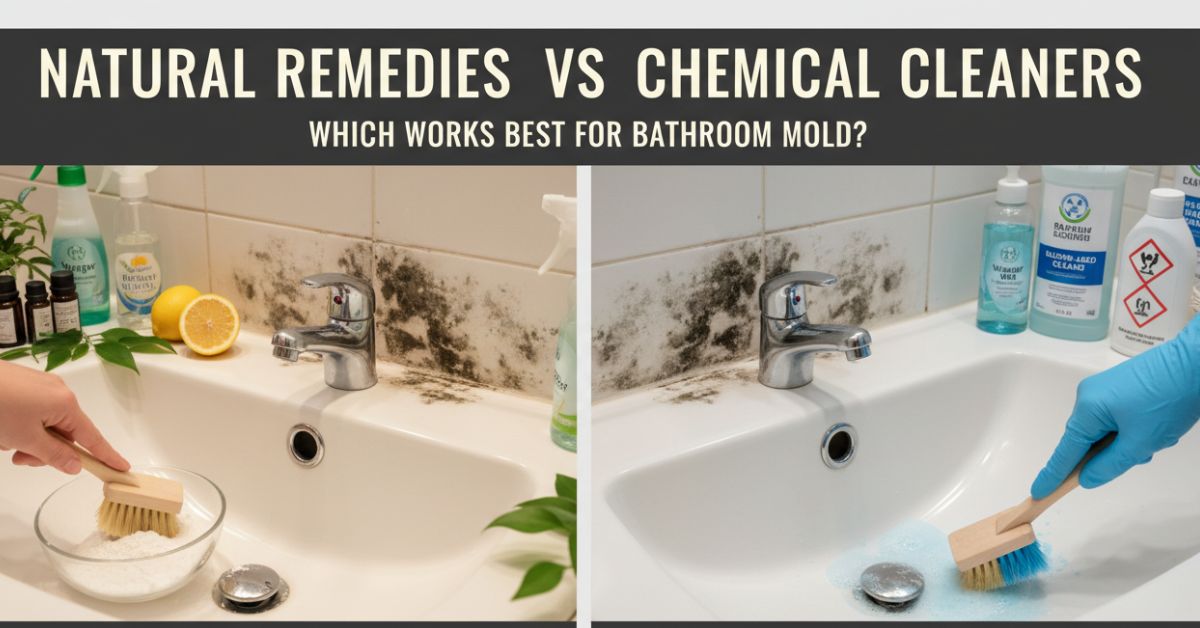
Natural Remedies vs Chemical Cleaners: Which Works Best?
Both cleaning methods can be effective depending on the severity of the problem. Natural mold remedies are usually suitable for small patches of mold and routine cleaning. They help maintain bathroom surfaces while reducing exposure to strong chemicals.
However, for larger or persistent mold problems, chemical mold cleaners may provide faster and stronger results. If mold continues returning after repeated cleaning, more advanced mold solutions may be necessary to address hidden moisture problems.
When Professional Help Is Necessary?
Sometimes mold growth spreads beyond what household cleaning can handle. If mold covers large areas or keeps returning despite cleaning, professional assistance may be required.
In these situations, contacting specialists who provide professional mold removal can help ensure proper mold treatment and prevent mold from spreading further throughout the home.
Preventing Bathroom Mold in the Future
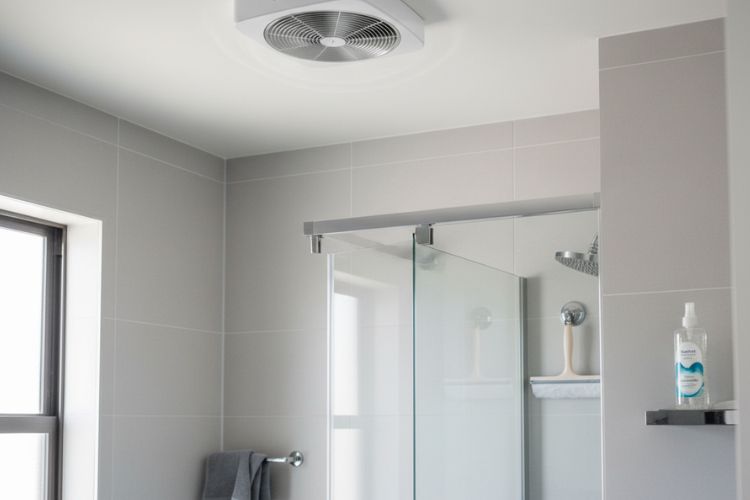
Cleaning mold is only part of the solution. Long-term mold prevention depends on reducing moisture and improving ventilation inside the bathroom. Controlling humidity helps prevent mold from forming again.
Simple habits can significantly reduce the chances of mold returning. Wiping down wet surfaces, allowing airflow after showers, and fixing leaks quickly can limit moisture buildup.
Practical Mold Prevention Tips
- Use exhaust fans during and after showers
- Keep bathroom surfaces dry
- Repair plumbing leaks quickly
- Improve airflow in humid bathrooms
These small steps help reduce humidity and prevent bathroom mold from developing again.
The Bottom Line
A few dark spots in the bathroom might seem minor at first, but mold can spread quickly when moisture and humidity remain uncontrolled. Bathrooms naturally stay damp after showers, which makes them a common place for mold to develop on tiles, grout, and ceilings.
Both natural mold remedies and chemical mold cleaners can remove mold from bathroom surfaces, but they work best in different situations. Natural options are useful for small spots and regular cleaning, while stronger products may be needed for stubborn mold growth.
To stop mold from coming back, it’s important to control moisture, air out the bathroom after showers, and wipe down wet surfaces so dampness does not build up.