Many homeowners notice a musty smell in the basement but assume it is caused by humidity or old building materials. In many cases, that smell is the first sign of basement mold beginning to grow in damp areas. Because basements are often used for storage or laundry, early warning signs can go unnoticed for a long time.
Ignoring mold growth may seem harmless at first, but it can quickly become a serious problem. Persistent basement dampness allows mold to spread behind drywall, carpets, and wooden framing. Over time, basement mold can affect indoor air quality, weaken building materials, and increase repair costs.
Understanding the long-term impact of mold growth helps homeowners take action before the damage spreads. From the health risks of basement mold to structural deterioration, the hidden costs can affect both your home and your well-being.
Why Basements Are the Perfect Place for Mold Growth?
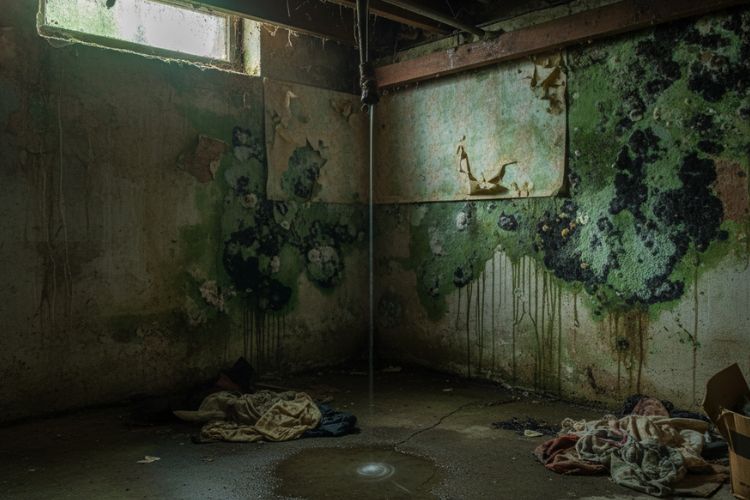
Basements provide ideal conditions for mold growth. These areas usually have limited sunlight, poor ventilation, and higher humidity compared to other parts of the home. When moisture accumulates in walls or flooring, mold spores can begin to grow within 24 to 48 hours.
Even a small amount of moisture can trigger mold development. Water entering through cracks, leaking pipes, or poor drainage creates an environment where basement mold can spread quickly.
Common Causes of Basement Mold
Several factors contribute to mold growth in basements.
- Foundation cracks allow groundwater to seep into the basement during rainstorms. Even small cracks can slowly increase basement dampness over time.
- Plumbing leaks are another major cause. A slow drip from pipes hidden behind walls may go unnoticed for months while moisture builds up.
- Poor drainage around the home also increases the risk. When rainwater collects near the foundation, it can seep through basement walls and floors.
- Flooding, clogged gutters, and inadequate ventilation can also create conditions that allow basement mold to thrive.
The Hidden Health Risks of Basement Mold
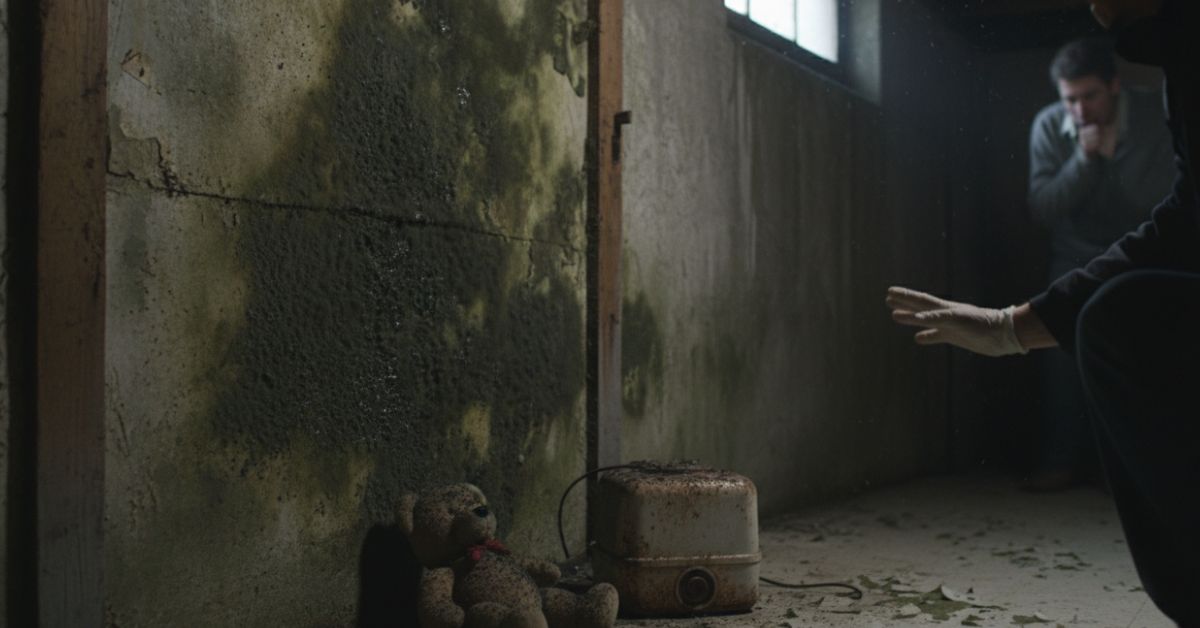
Many homeowners focus on property damage, but the health risks of basement mold can be equally serious. Mold releases microscopic spores that travel through the air and circulate throughout the home.
When these spores are inhaled repeatedly, they can affect respiratory health and trigger allergic reactions.
Respiratory Problems and Asthma
One of the most common health risks of basement mold involves breathing problems. Mold spores can irritate the lungs and airways, causing symptoms such as coughing, wheezing, and shortness of breath.
People who already suffer from asthma may experience more frequent attacks when exposed to mold spores indoors.
Allergic Reactions and Irritation
Another major concern linked to mold exposure is allergic reactions. Individuals who are sensitive to mold may develop symptoms that include sneezing, itchy eyes, and skin irritation.
For many families, these symptoms appear gradually and may be mistaken for seasonal allergies. Over time, however, prolonged exposure increases the health risks of basement mold, especially in homes where mold growth remains untreated.
Higher Risk for Vulnerable Groups
Certain groups are more vulnerable to mold exposure. Children, older adults, and individuals with weakened immune systems may develop stronger reactions to mold spores.
In some cases, long-term exposure can lead to chronic respiratory infections or ongoing sinus problems.
Structural Damage: How Mold Slowly Weakens Your Home
Mold growth does more than affect air quality. It also damages the materials that make up your home. When basement mold spreads across building surfaces, it feeds on organic materials such as wood, drywall, and insulation. As mold colonies grow, these materials begin to break down.
Wood Rot and Structural Decay
Wood framing is particularly vulnerable to mold damage. Mold uses organic compounds found in wood as a food source, gradually weakening support beams and floor structures.
If mold continues spreading unchecked, wooden joists and framing components may begin to rot. This can compromise the stability of floors above the basement.
Damage to Walls and Insulation
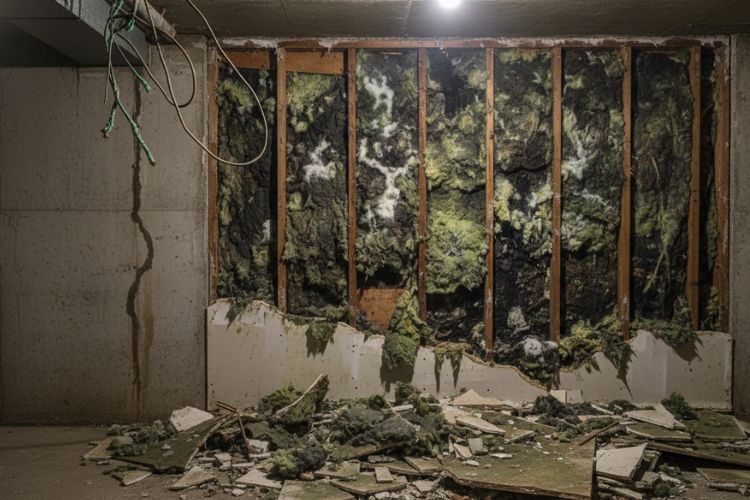
Drywall and insulation are also highly susceptible to mold growth. Once mold spreads behind walls, it becomes difficult to remove without professional intervention.
At this stage, homeowners often require mold removal services to eliminate contaminated materials safely.
Moisture and Foundation Problems
Persistent moisture can also weaken basement walls and concrete surfaces. Hydrostatic pressure from groundwater may push water through small openings in the foundation.
Over time, these conditions worsen basement dampness, allowing mold to return even after cleaning attempts.
The Financial Cost of Ignoring Basement Mold
Ignoring mold problems often leads to much higher expenses later. What starts as a small patch of mold may spread through walls, flooring, and HVAC systems. Professional mold remediation becomes more expensive when contamination spreads across multiple rooms.
Increasing Mold Removal Expenses
Early mold problems can often be addressed with limited mold removal work. However, once mold spreads behind walls or beneath flooring, the repair process becomes more complex.
Large infestations may require the removal of drywall, carpets, and insulation before safe reconstruction can begin.
Property Damage and Restoration
Water damage caused by leaks or flooding often accompanies mold growth. These conditions require both structural repairs and professional mold cleanup to restore the area safely.
In many homes, damaged materials must be replaced entirely to prevent mold from returning.
Reduced Property Value
Another hidden cost of basement mold is reduced property value. Homes with mold issues are often harder to sell because buyers worry about potential repairs and health concerns.
Visible mold growth or a musty smell in the basement can discourage potential buyers, lowering the market value of the property.
Inspection and Assessment Costs
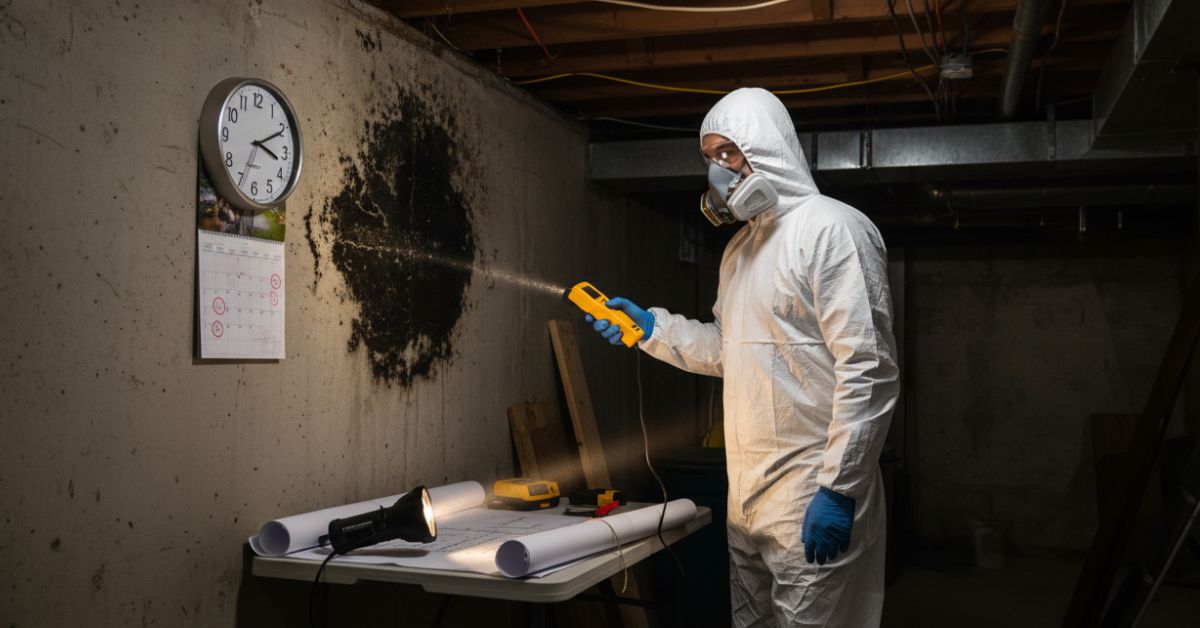
Homeowners who suspect mold growth may need professional testing to determine the severity of the issue. A professional basement mold inspection can identify hidden mold growth behind walls or inside ventilation systems.
Although inspections involve some expense, they often prevent larger repair costs later.
Additional Problems Caused by Basement Mold
Mold growth can trigger other household issues that homeowners may not immediately connect to moisture problems.
Poor Indoor Air Quality
When mold spores circulate through ventilation systems, indoor air quality declines. These spores can travel throughout the home, spreading contamination beyond the basement.
In such situations, professional mold remediation and thorough mold cleanup may be necessary to restore healthy indoor air.
Pest Infestations
Moist environments often attract insects and rodents. Areas affected by basement dampness can become breeding grounds for pests such as cockroaches, termites, and rodents.
These pests may further damage insulation, wood, and stored items.
Persistent Odors and Living Discomfort
Another common problem is the persistent musty odor associated with mold growth. Even after surface cleaning, the smell may remain if mold continues growing behind walls or flooring.
Professional mold removal and targeted mold cleanup are usually required to eliminate these odors completely.
Warning Signs of Basement Mold
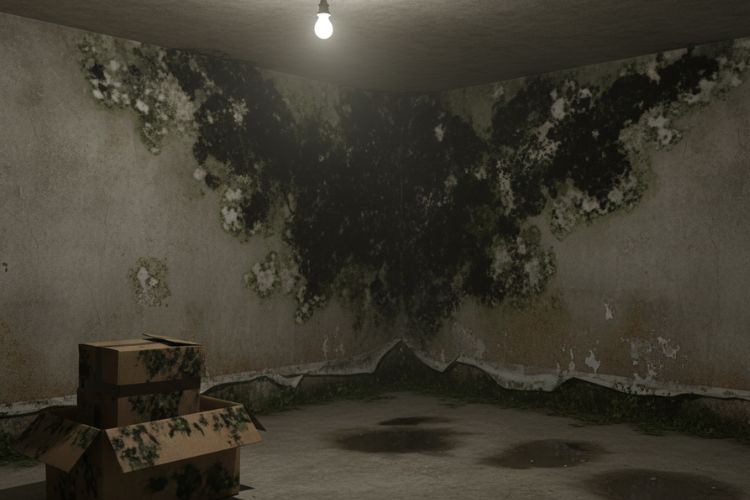
Recognizing early warning signs allows homeowners to address problems before they worsen.
Common signs include:
- Musty or earthy odors in the basement
- Visible dark or green spots on walls and ceilings
- Peeling paint or bubbling drywall
- Increased allergy symptoms indoors
- Persistent basement dampness after rainfall
Addressing these signs early can prevent extensive damage and costly repairs.
How to Prevent Basement Mold Problems?
- Control basement moisture levels to reduce the risk of mold growth.
- Keep indoor humidity below 50%, as high humidity encourages mold development.
- Repair leaks quickly to prevent long-term basement dampness and hidden moisture buildup.
- Check gutters and drainage systems regularly to ensure rainwater flows away from the foundation.
- Improve basement ventilation by installing exhaust fans or using dehumidifiers to reduce moisture in the air.
- Seal foundation cracks and waterproof basement walls to prevent water intrusion during heavy rain.
- Consider professional testing to understand the mold inspection cost before scheduling a full mold assessment.
Summary
A small patch of mold in the basement may not seem like a serious issue at first, but ignoring it can lead to larger problems over time. Mold growth can gradually damage building materials and affect the air inside the home. The health risks of basement mold, along with structural damage and expensive repairs, can become a major concern for homeowners if the problem is left untreated.
Taking action early can prevent the situation from getting worse. Keeping the basement dry, repairing leaks quickly, and addressing moisture problems can help stop mold from spreading. When necessary, professional assistance can ensure the issue is handled properly and help homeowners maintain a safer and healthier living environment.If you suspect mold in your home, professional help can make the process safer and more effective. Fresh Start Mold Removal and Inspection offers trusted mold testing and remediation services in Tulsa and Oklahoma City, helping homeowners identify and remove mold at its source. Schedule an inspection today and take the first step toward a cleaner, healthier home.