
Mold in a home can grow quietly and cause real problems. It can damage walls, furniture, and even your health if you ignore it for too long. This is why many homeowners decide to hire mold inspection company when they notice a smell, stains, or moisture in the house. Picking the right team is important because the inspection decides what happens next. If the inspection is not done well, you may waste money or fix the wrong areas. This guide helps you choose the right company by asking clear questions before you agree to anything.
The 5 Essential Questions to Ask Before Hiring a Mold Inspection Company
1. What certifications and training do your inspectors have?
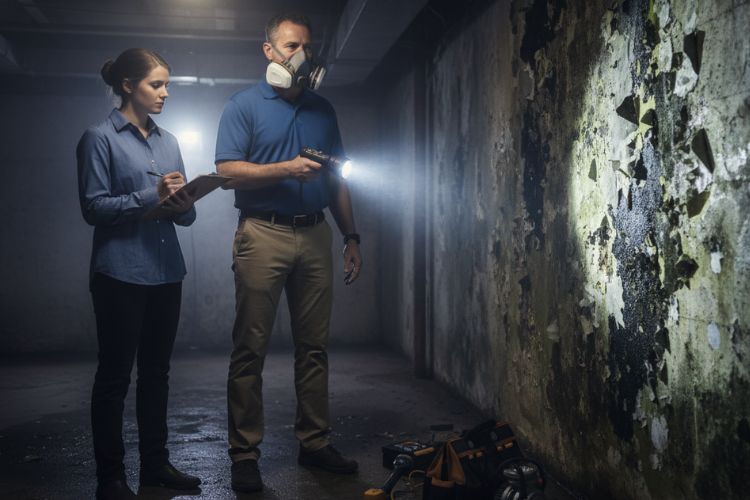
The skill of the person checking your home matters a lot. Anyone can say they know mold, but only a certified mold inspector understands how mold forms where it hides, and how to test it in the right way. Certification proves the inspector learned the right methods and has real training that follows safety rules.
It is also important because many people offer cheap inspections without proper knowledge. They guess instead of checking carefully, and that creates bigger problems later. A certified mold inspector also knows how to read moisture levels, how to look for early warning signs, and how different rooms react to temperature and humidity. When you ask about their training, you get a clear idea of the quality you are paying for.
If you ever look for this service online, you may find options like mold inspection company, which can help you understand what certified experts in different areas offer. But no matter where you live, certification should always be your first filter.
2. Can You Provide a Detailed Inspection Report?
A professional inspection always ends with a written report. A proper report gives you photos, moisture readings, lab results, and clear notes on what was found. It also explains which areas need attention right now and which areas you should keep an eye on in the future.
Many companies give only a short summary, which is not helpful. A real report helps you make decisions. It tells you the type of mold if testing was done, where the moisture came from, and how serious the problem is. If the company refuses to give a detailed report or wants you to pay extra for it, that is a warning sign.
A detailed report also helps you with mold prevention in the future. When you know where the moisture started, you know how to stop it from coming back. Good companies understand this and always provide written results without making things complicated.
3. Are You Independent, or Do You Also Offer Mold Remediation Services?
This is one of the most important questions because it tells you if there is a conflict of interest. Some companies inspect the home and also offer mold removal. This can create a problem because the inspector may want to find more mold, so the company can charge you for the cleanup work.
When the inspector is independent, you get honest results. They check the home and report exactly what they see. They do not try to sell you anything extra. This protects your home and your wallet.
People often do not think about this step, but it matters a lot. Ask the company if they only inspect or if they also remove mold. If they remove mold, too, ask how they keep the process fair and transparent. A careful homeowner always checks this point. Independent inspectors also focus more on mold prevention because their job is not to sell cleanup services but to help you understand the true condition of your home.
4. What is The Total Cost, and What Does It Include?
When you ask about cost, you should ask for the full price, not just the base fee. Some companies charge extra for mold testing for going inside crawl spaces for taking samples, or for writing reports. You need a clear price so you can compare companies in a fair way.
A good company explains the cost step by step in simple words. They tell you what is included and what is not. This avoids confusion and protects you from surprise charges. If a company avoids sharing the full price or talks in unclear terms, it may not be the right choice.
Cost should also include advice on mold prevention because if you fix the mold but do not fix the cause, it will return again. The right inspector guides you about airflow leaks, humidity, and small home habits that help keep your place dry and safe.
5. What Testing Methods Do You Use and Why?
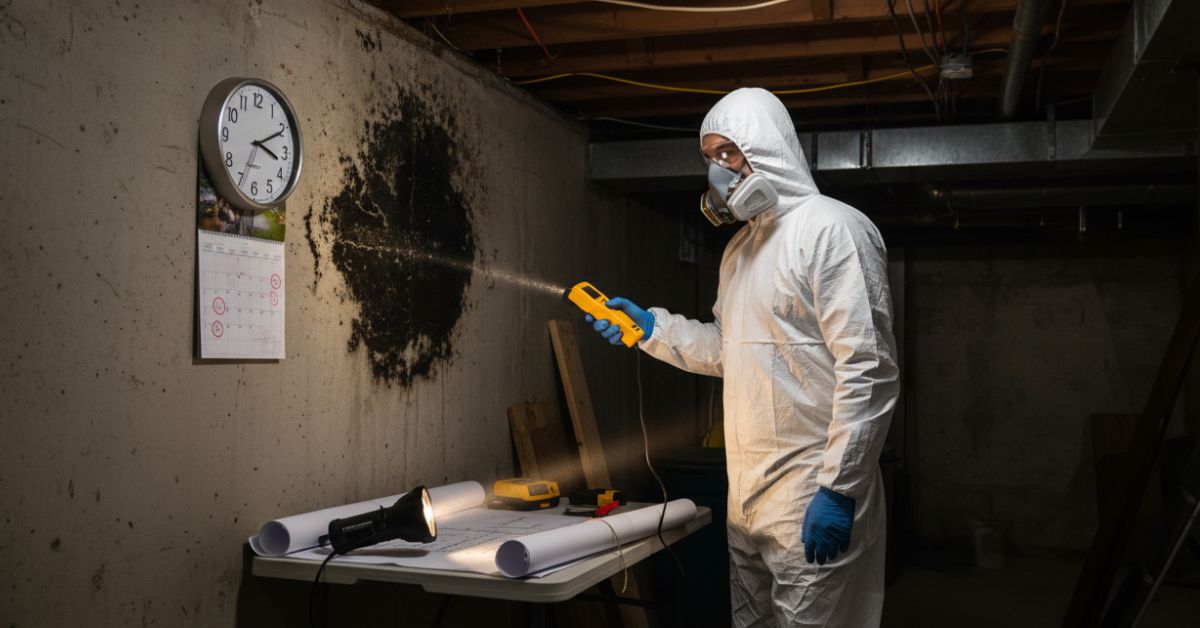
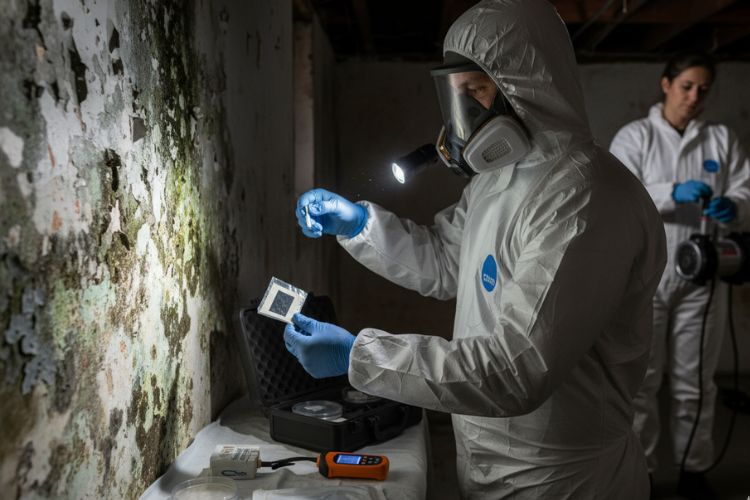
The second thing to understand is the type of mold testing the company will use. Mold does not grow the same way in every home. Some mold sits on surfaces. Some spreads in the air. Some hide behind walls. So the testing method must match the problem.
The most common types are air testing, surface testing, and moisture mapping. Air testing checks the quality of the air and helps you know if tiny mold spores are floating around. Surface testing looks at visible spots to confirm whether they are mold or something else. Moisture testing shows where water might be entering your walls, floors, or ceilings.
A reliable inspector explains each method in simple words so you know what they are checking and why. If someone avoids the question or gives unclear answers, it is better to keep looking. When you pay for mold testing, you deserve a proper explanation of what is happening in your home.
You can also find services by searching mold inspection near me, but no matter how close they are, make sure they explain every method clearly.
Red Flags to Avoid When Choosing a Mold Inspection Company
Some signs show that a company may not be trustworthy. No certification, unclear pricing, no written report, or guaranteed results. Guaranteed results are not realistic because every home is different, and mold depends on conditions like moisture and temperature.
Another red flag is when the inspector tries to rush you into services. A real expert explains things slowly so you understand the situation without pressure. Also, be cautious if the company offers a deal that seems too cheap. Very low prices often mean poor testing and weak reports.
Tips to Choose the Best Mold Inspection Company
Check reviews, but read them carefully. Look for comments about honesty, clear explanations, and quality reports. Ask for a sample report so you can see the level of detail they provide. Confirm that they carry insurance because this protects you if something goes wrong during the inspection.
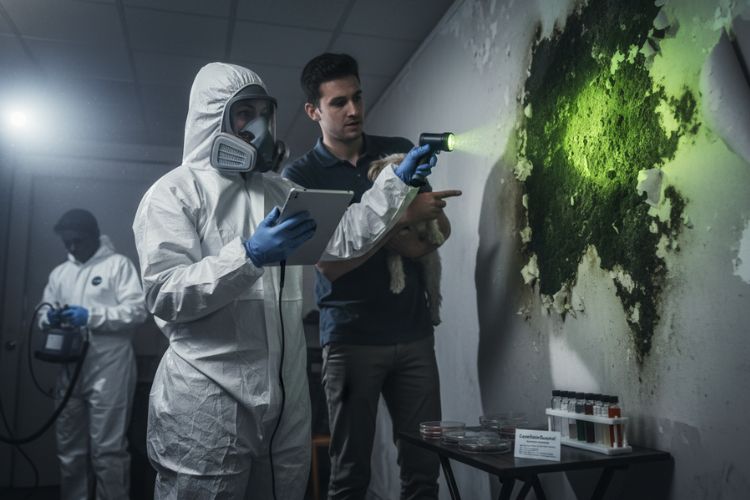
Another helpful tip is to ask about the equipment they use. Reliable tools make a big difference. Moisture meters, thermal cameras, and proper air pumps show that the company takes its work seriously. Also, ask how long the inspection will take. A fast inspection often means they did not check properly.
Asking these small questions helps you choose a team that gives clear answers and makes you confident in your decision.
Conclusion
A home is a big investment, and mold problems can grow quietly without warning. This is why many homeowners choose to hire mold inspection company when they see early signs. Asking the right questions protects your home and helps you understand the problem clearly. When you choose a certified expert with fair pricing, careful testing, and a detailed report, you save time, money, and stress. The right company guides you with simple and honest information so you can keep your home safe and prevent mold from returning.