
Have you ever noticed a strange smell or a dark patch on the wall and wondered what it could be? Mold can appear quickly after water damage, leaks, or even high humidity. If left unchecked, it spreads fast and can cause serious problems. Knowing the right steps to take before the professionals arrive is key. Taking action early can limit mold damage, reduce health risks, and make the cleanup faster and easier.
Emergency mold removal isn’t just about scrubbing surfaces. It’s about protecting your home, your belongings, and yourself until trained professionals can handle the full job. Even small patches can grow into bigger problems if ignored. Acting quickly is your first line of defense.
Warning Signs You Have a Mold Emergency
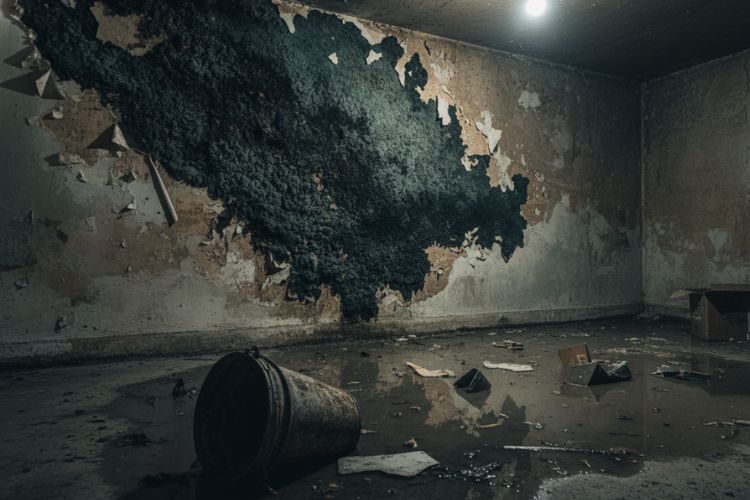
Mold often starts small but can become serious in days. Some warning signs are obvious, while others may be subtle. Strong musty odors, visible black, green, or white patches on walls or ceilings, and water stains are all red flags. If you notice any of these signs after a leak or flood, treat it as an emergency. Immediate attention is critical to prevent mold damage and to limit exposure to mold health risks.
Other signs include persistent allergy-like symptoms such as sneezing, coughing, or itchy eyes. These can appear even if the mold is hidden behind walls. Quick identification and fast mold response can stop the problem from escalating.
Safety Steps to Protect Yourself First
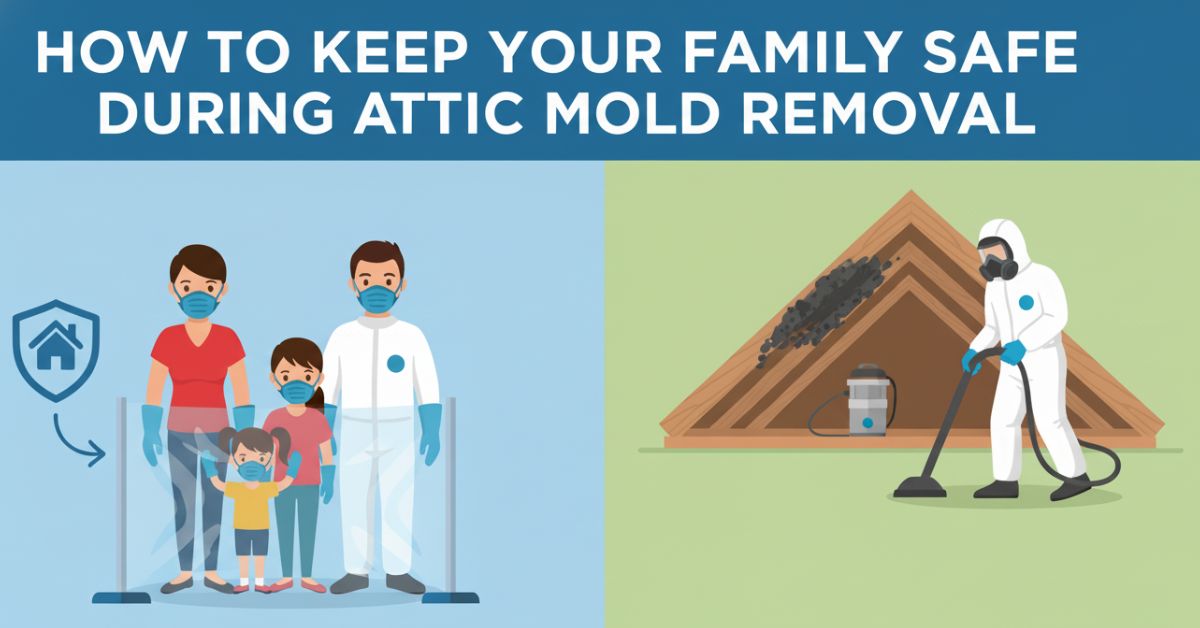
Before you do anything, prioritize safety. Mold spores can cause respiratory issues, headaches, or skin irritation. Simple precautions can help. Wear gloves, a mask, and if possible, goggles to prevent contact with your skin and lungs. Avoid touching large mold patches or attempting to scrub them yourself.
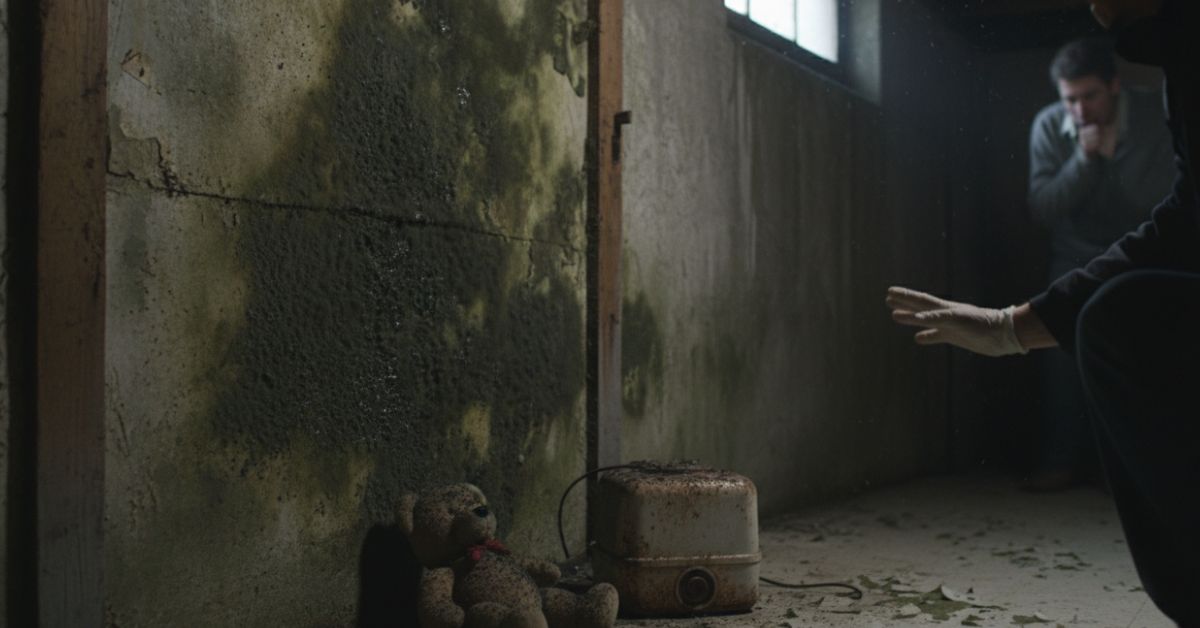
Children, elderly individuals, and anyone with asthma should stay away from the affected area. These measures limit your exposure to mold health risks while waiting for professional assistance. Remember, trying to clean extensive mold on your own can make the problem worse.
At this point, it may be helpful to contact professionals who offer mold removal if you live in that area. They have the right tools, experience, and safety gear to deal with severe mold growth safely.
How to Stop the Water or Moisture Source?
Mold cannot grow without moisture, so stopping the source of water is the most important step. Check for leaks in pipes, faucets, or roofs. If it’s safe, turn off the water to prevent further flooding. Remove standing water using buckets or mops, but avoid using a vacuum or blower on moldy areas, as this can spread spores.
Even small leaks can lead to major mold damage over time. The sooner you control moisture, the easier the emergency mold removal process will be. If the moisture isn’t addressed, mold will keep spreading and require more extensive cleanup later.
Ventilate the Area Without Spreading Mold
Air circulation helps dry wet areas, but improper ventilation can move spores throughout your home. Open windows carefully and use fans to direct air outwards. Avoid blowing air directly on mold patches, which can spread spores to other rooms.
Ventilating helps reduce the risk of mold health risks, but must be done cautiously. Proper airflow can also make it easier for professionals to handle the site when they arrive. Even a little movement of air can slow mold growth temporarily.
How to Isolate the Affected Room?
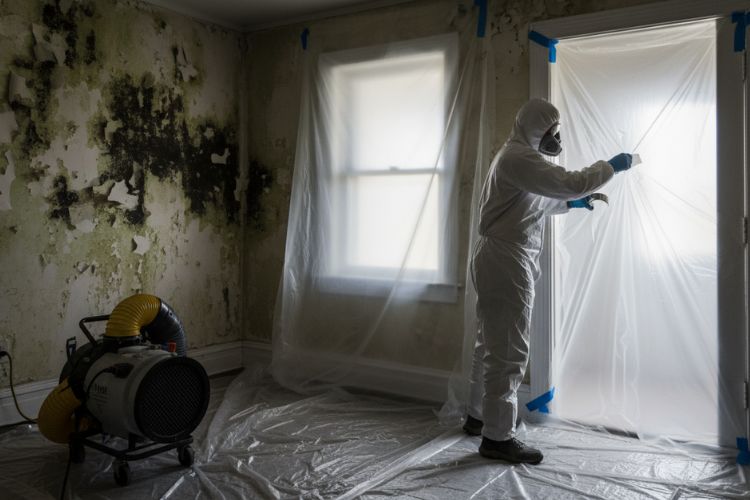
Containment is simple but effective. Close doors and keep others out of the affected area. Turn off heating or cooling systems that may circulate air from the room. Use plastic sheeting or temporary barriers if available to prevent spores from traveling.
Isolating the room protects your family and minimizes mold damage. It also keeps your belongings safer while waiting for a fast mold response from the experts.
What You Can Safely Clean and What to Avoid?
You can safely remove small items that are not heavily contaminated. Soft fabrics, papers, and books may need to be bagged and moved to a dry area. Hard surfaces with minor mold growth can be wiped gently with mild soap and water.
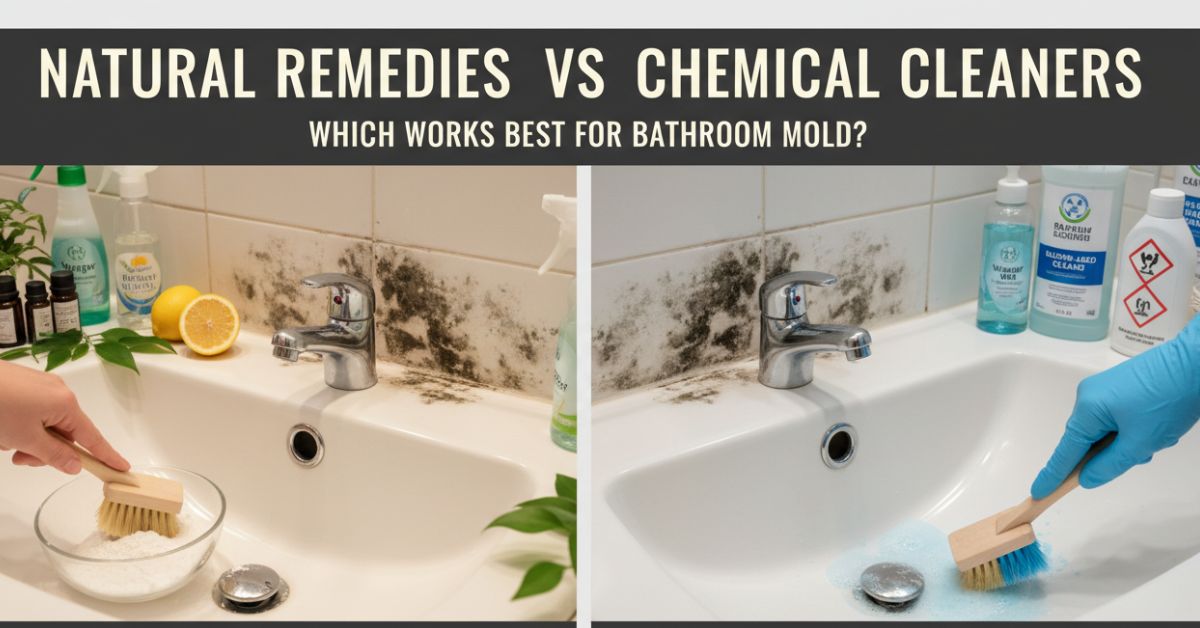
Avoid scrubbing large mold patches or using harsh chemicals. This can release spores into the air, making cleanup more dangerous and worsening mold health risks. Remember, some areas require professional tools and techniques. Light cleaning only slows growth until experts arrive.
Why You Should Document the Damage?
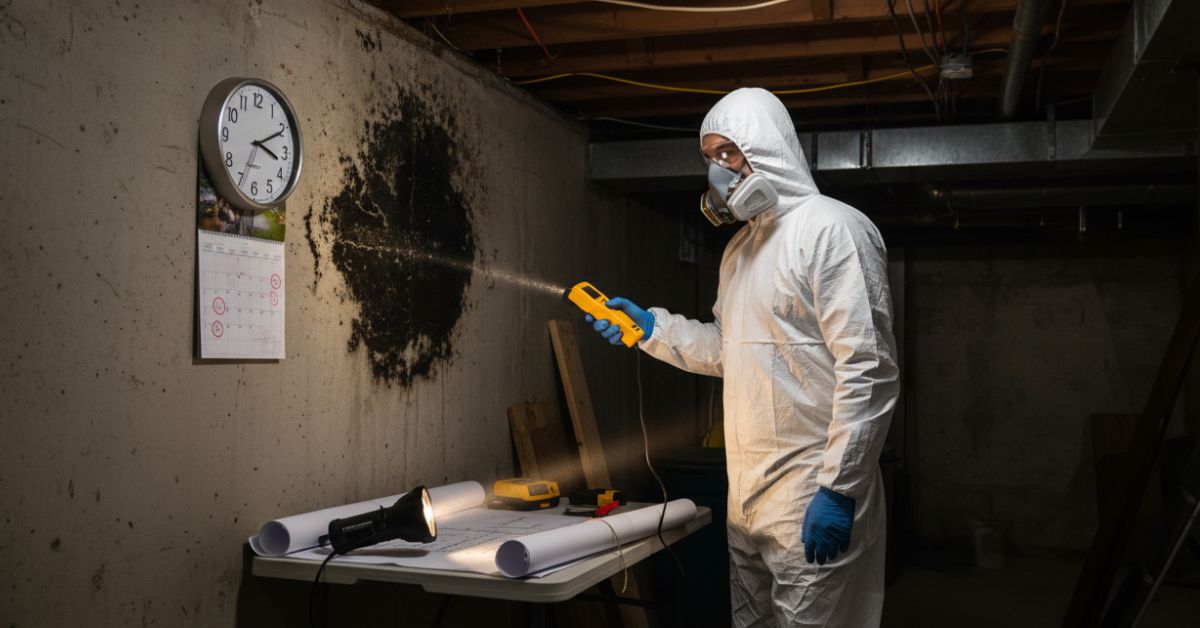
Take photos and make notes of the affected areas. This helps with insurance claims and provides the professionals with a clear view of the problem. Note any leaks or sources of moisture as well as the size and spread of the mold patches.
Documentation is important for tracking mold damage and supporting a smoother emergency mold removal process. It also provides evidence that remediation becomes necessary for insurance purposes.
How to Protect or Move Your Belongings Safely?
Move items that are not contaminated out of the affected area. Bagging small objects or covering furniture with plastic sheeting helps reduce further exposure. Do not attempt to clean soaked carpets or heavily infested materials yourself.
If you need a professional team for urgent mold cleanup, contact them as soon as possible. They can remove the mold safely without risking your health or spreading spores to other areas.
When You Should Avoid Touching Anything?
Some mold situations are too dangerous for DIY cleanup. If the patch is large, appears black or green, or has caused strong odors throughout the home, wait for professionals. People with respiratory conditions or weakened immune systems should avoid the area entirely.
Trying to handle these situations yourself can worsen mold damage and increase mold health risks.
What to Expect When Mold Removal Professionals Arrive?
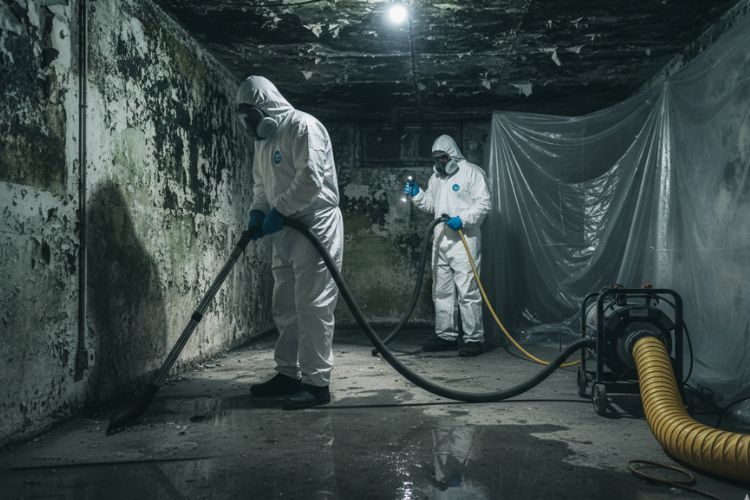
When the team arrives, they will first inspect the area to identify the extent of mold and moisture sources. Containment measures will be put in place to prevent spores from spreading. Professional equipment is used to remove mold from walls, ceilings, and flooring, followed by proper drying techniques to prevent recurrence.
Using experts ensures a complete emergency mold removal. After the cleanup, they may recommend improvements to ventilation or repairs to stop mold from returning.
Simple Ways to Prevent Mold Emergencies in the Future
Preventing mold is easier than fixing it. Regularly check for leaks in plumbing, roofs, and windows. Keep humidity levels low with proper ventilation or dehumidifiers. Clean and dry areas prone to moisture quickly, like bathrooms and basements. Inspect hidden spots such as behind appliances or under sinks.
These small habits reduce mold damage and lower the chance of future emergencies. Early attention allows for a fast mold response if a problem begins again.
Conclusion
Mold can spread quickly, but you don’t have to panic. By acting fast, stopping moisture, isolating the area, and taking simple safety steps, you can slow its growth until professionals handle the full cleanup. Emergency mold removal is safer and more effective when you follow these steps. Protect yourself, your home, and your belongings, and reach out to experts for mold cleanups when needed. Early action saves time, money, and prevents health issues.
If you need fast, reliable, and professional help, Fresh Start Mold Removal is a trusted choice with over 17 years of experience. Their certified team offers safe, thorough mold remediation, free estimates, and a customer-first approach to restore your home to a healthy, mold-free condition.
FAQs
What is considered a mold emergency?
A mold emergency is when you see rapid growth, strong odors, or water damage that could make mold spread quickly and cause health issues.
Can I clean mold myself before the pros arrive
You can do small, safe tasks like wiping minor patches or removing non-contaminated items, but avoid scrubbing large mold areas.
How do I protect myself from mold health risks?
Wear gloves, a mask, and goggles, and keep children, the elderly, or people with asthma away from the affected area.
Why is stopping the water source so important?
Mold needs moisture to grow. Shutting off leaks or removing standing water slows its spread and reduces damage.
When should I call professionals for mold removal?
Call experts if the mold covers a large area, smells strong, or could cause health issues. They have the tools and experience for safe cleanup.