
When you think of the signs of a mold problem, images of wet walls or bathroom tiles likely come to mind. However, one of the most common, overlooked hiding places is under your feet. Carpets create a perfect environment for mold to grow and spread much faster than you might expect. The science behind this fast reproduction deals with moisture, organic material, and lack of airflow.
Just like the case of an immigration attorney investigating a case with the utmost detail, getting a handle on carpet mold involves looking into what causes it and how it grows. Let’s get into the details of what makes this sneaky contaminant so easy to thrive indoors and prevent it from taking over in your home.
Why Carpet Mold Develops So Quickly
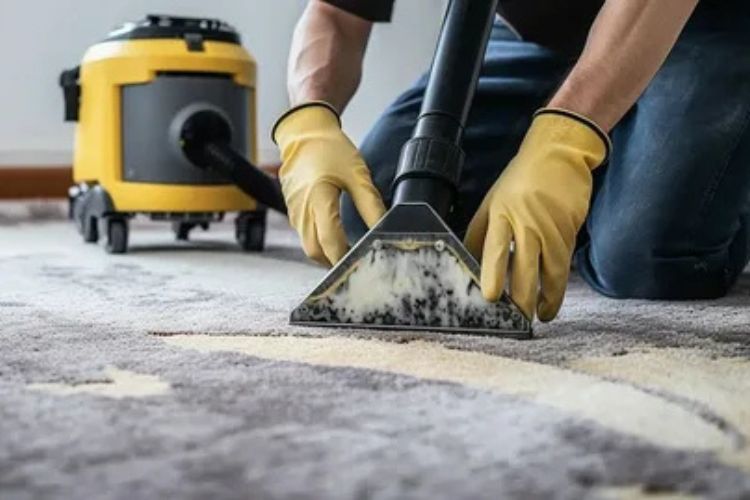
Carpet acts like a sponge. Whether there’s a spill, humidity, or leak, carpets will absorb that water and keep it trapped beneath their fibers. When it is together with organic debris (dust, skin cells, pet dander), these damp fibers become the perfect environment for the mold to grow.
Unlike hard surfaces, carpet backing and padding retain moisture for much longer, making it difficult to dry completely. Even a few ounces of water left behind can trigger mold growth within 24 to 48 hours.
This is where carpet cleaning and mold removal become essential. A typical vacuum or household cleaner cannot reach the moisture and mold spores trapped deep beneath the surface; professional solutions do.
The Role of Airflow and Temperature in Mold Growth
Mold spores thrive in warm, humid environments with limited ventilation. Unfortunately, most indoor spaces, especially basements, bedrooms, and living rooms, offer exactly that.
Without proper air circulation, moisture lingers in carpet fibers and padding. This allows the spores to multiply invisibly, often before any odor or discoloration becomes noticeable. Over time, mold releases allergens and toxins that can affect air quality and trigger health symptoms like coughing, sneezing, and fatigue.
By maintaining airflow through open windows, dehumidifiers, or fans, homeowners can slow down mold activity. Still, once mold begins to grow, a mold carpet cleaner or professional treatment is the only reliable way to eliminate it completely.
Why DIY Cleaning Isn’t Enough
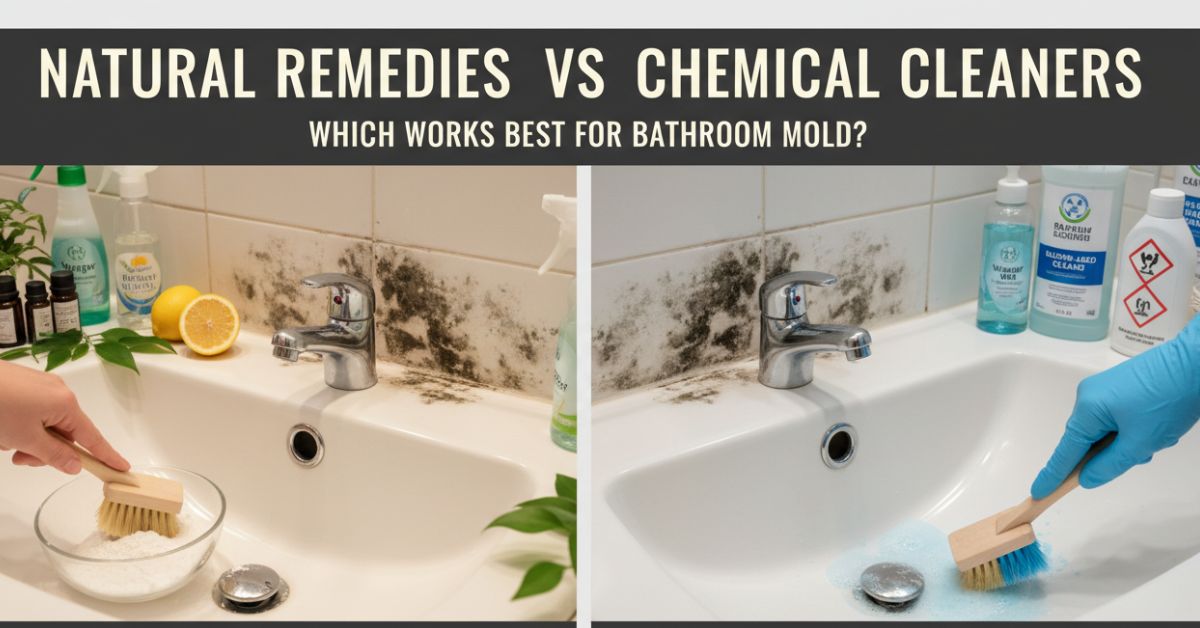
When musty odors are present, it’s easy to be lured into grabbing household cleaners or making home remedies. However, home remedies almost never address the issue. Surface cleaning may help carpets smell better, but the mold spores are still alive underneath.
If you’re wondering how to clean mold out of a carpet, it’s important to understand that household cleaning products can only go so deep. Once moisture reaches the padding, the entire section of carpet may need treatment or replacement.
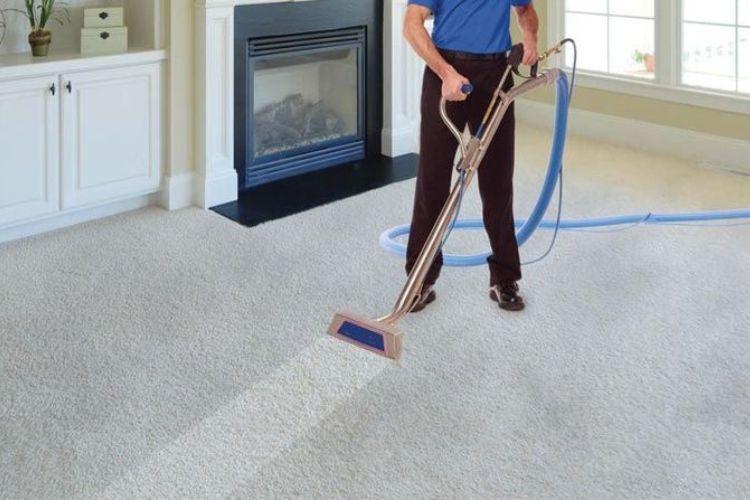
Professionals use advanced equipment like HEPA vacuums, steam cleaning, and antimicrobial treatments designed specifically for carpet cleaning for mold. These methods extract hidden spores, kill active colonies, and prevent regrowth.
Mold at the Microscopic Level: How It Expands Across Your Carpet
The rapid proliferation of mold can be explained by biology. Mold reproduces through spores — tiny particles that drift through the air. Mold spores can settle on a damp carpet fiber, and when they do, they will begin feeding on organic material, releasing enzymes that break down materials and create new spores.
This self-sustaining loop of feeding and reproduction is the reason mold growth can feel as if it is an unstoppable force once it begins. Every new colony will grow exponentially, which leads to greater outbreaks of mold contamination.
Hiring a professional mold removal service ensures that not only visible mold but also airborne spores are neutralized using containment techniques and industrial-grade equipment. This prevents mold from migrating to other parts of your home.
How Experts Handle Carpet Mold
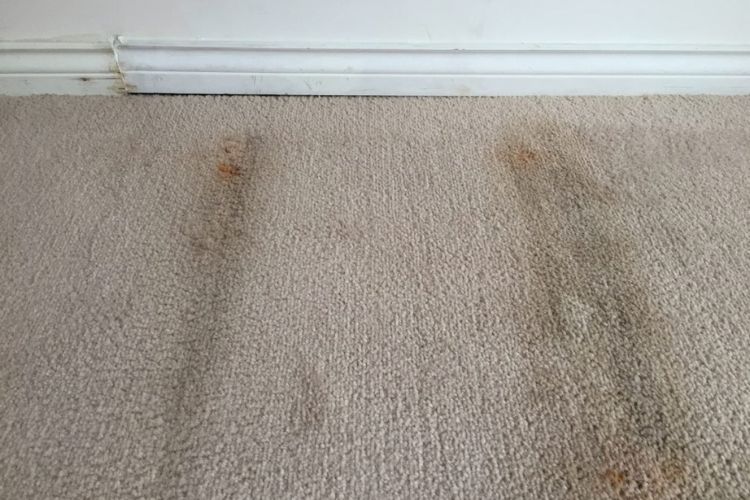
Professionals follow a structured approach when treating mold-infested carpets. A reliable carpet mold removal service typically includes:
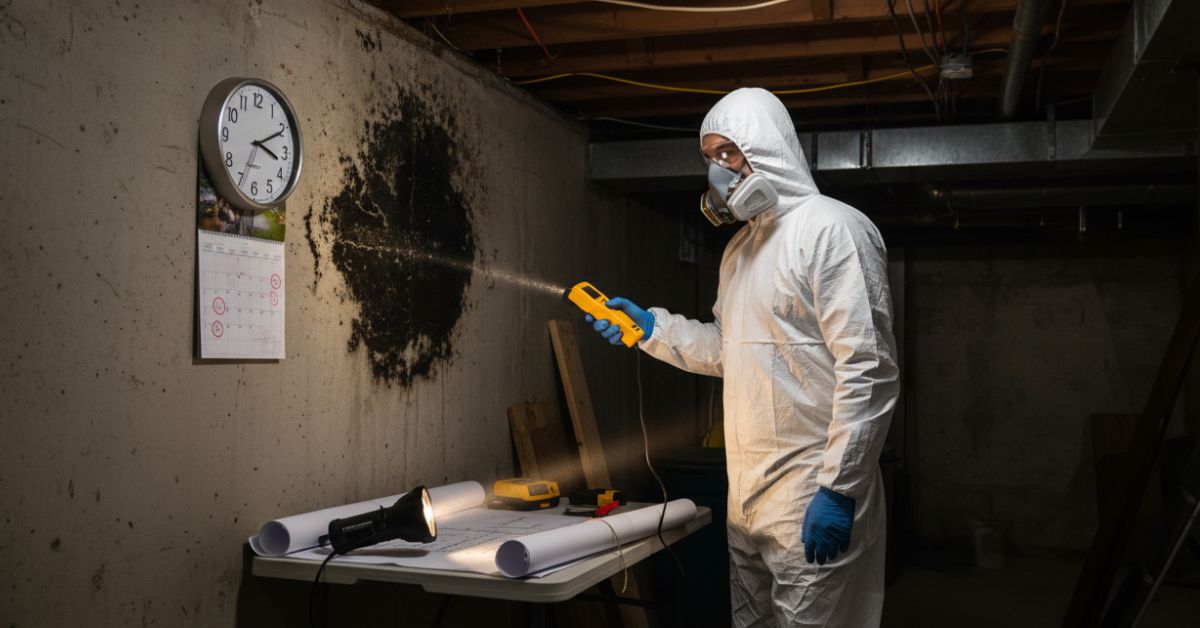
- Inspection & testing: to identify where the contamination occurred and the moisture levels.
- Containment: to isolate the contaminated area, to prevent spore spread.
- Deep cleaning & extraction: to use unique mold carpet cleaning products to kill and extract from the fibers.
- Drying & air scrub: to dry the carpet and padding to eliminate mold returning.
- Final assessment: to verify that the mold was remediated and the air quality was restored.
This process importantly treats not only the mold you see but the environmental issues that caused it in the first place.
Long-Term Prevention: Keeping Mold Away for Good
After treatment, homeowners can take simple yet effective steps to prevent recurrence:
- Utilize a dehumidifier to maintain indoor humidity below 50%.
- Promptly clean up spills and allow carpets to dry completely.
- Vacuum periodically to remove dust and debris.
- Schedule carpet cleaning and mold removal to be done by honest professionals.
If you’ve noticed a persistent musty odor or visible discoloration, it’s time to act fast. Mold doesn’t go away on its own, and waiting too long can lead to costly repairs and health concerns.
For extensive contamination, experts can remove mold in carpets safely and restore your flooring without releasing harmful spores into the air.
Protect Your Home with Professional Help
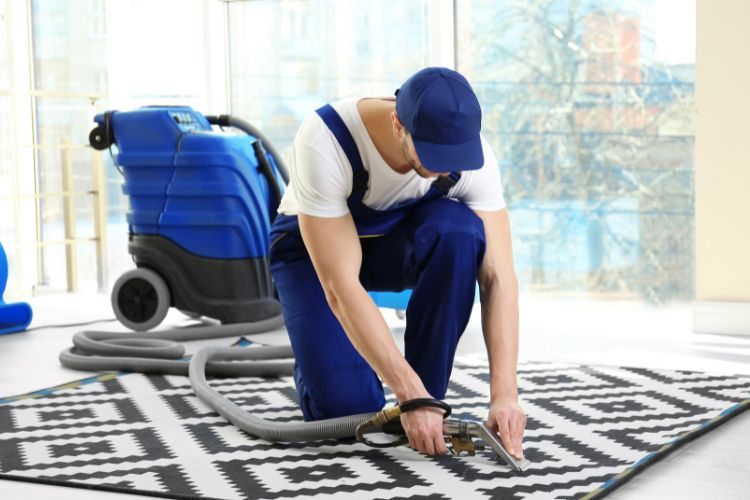
At Fresh Start Mold Removal, we understand how quickly mold can compromise your home’s safety. Our team uses proven methods and specialized equipment to eliminate mold from carpets, improve indoor air quality, and prevent it from returning.
Don’t wait until the problem worsens. Contact us today for a comprehensive professional mold removal service that keeps your home fresh, healthy, and mold-free.
FAQs
How quickly does mold grow in carpets after water damage?
Water-damaged carpets will begin to grow mold within 24-48 hours if they are left wet, particularly in warm or humid conditions.
Can I use a regular cleaner instead of a mold carpet cleaner?
Cleaning products may minimize the appearance of surface stains, but will not kill mold spores. It is best to utilize a professional-grade cleaning product or have the carpets cleaned by a service.
When should I call a professional mold removal service?
If you smell continual odors, or visible signs of discoloration, or you are experiencing worsening allergies in your home, you should contact services immediately.
Is it safe to keep carpets after mold removal?
Yes, if treated promptly and properly by a carpet mold removal service provider, carpets can often be restored safely without replacement.